
The Vibe
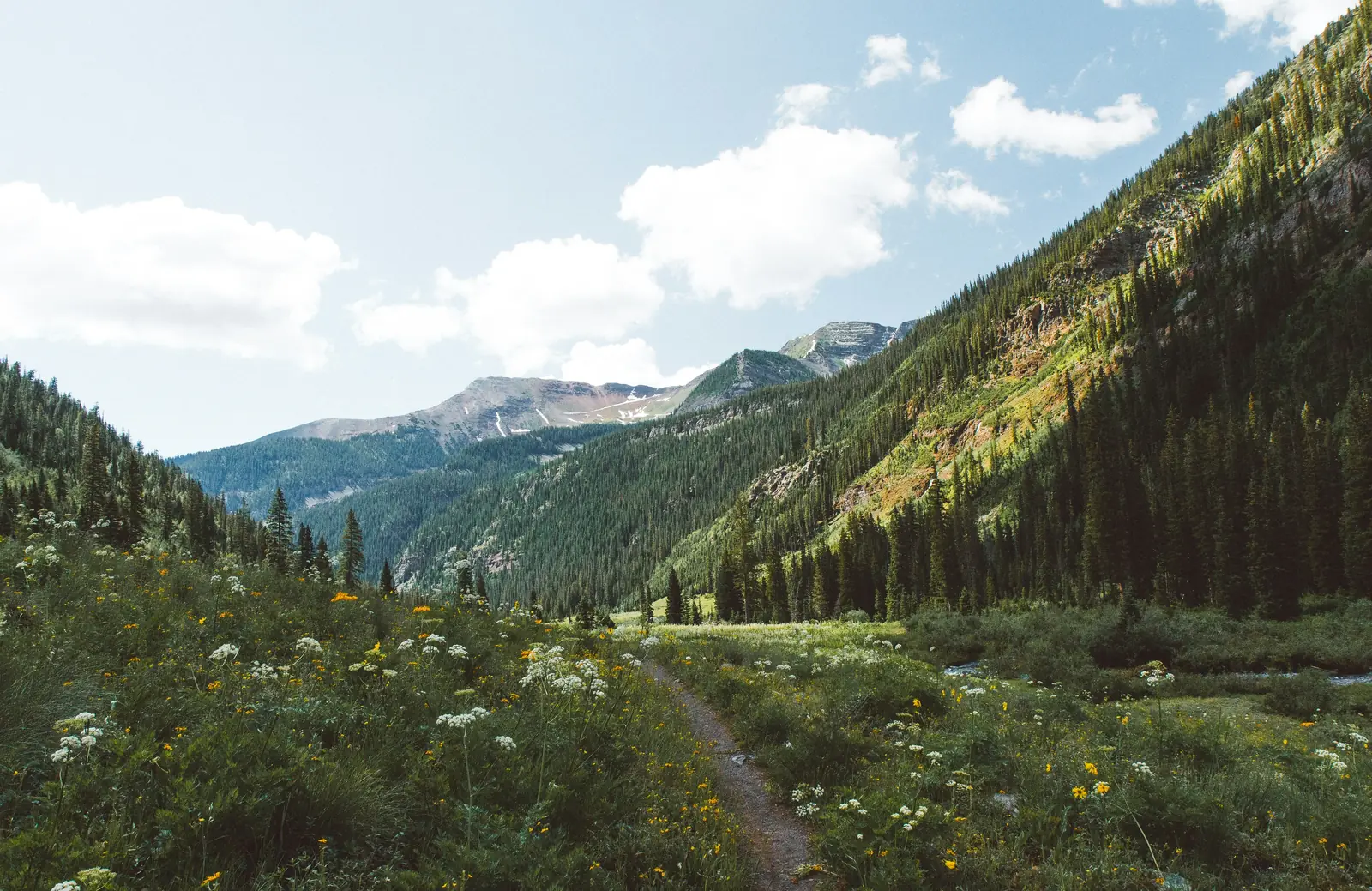
Boulder is a college town that outgrew the label without ever entirely shedding it. The University of Colorado still brings 35,000 students every fall and the Hill still fills with twenty-year-olds on Thursday nights, but the town around them has become something else. It is now one of the wealthiest small cities in the country, home to a serious tech economy, a serious food scene, and a population that by any measure is outrageously fit. The Flatirons sit above it all, five sandstone slabs tilted at roughly 50 degrees against the eastern edge of the Rockies, visible from nearly every block in town. They are Boulder's constant reference point.
The setting makes the town what it is. Boulder sits at 5,430 feet at the literal edge of the Great Plains, where the land stops being flat and starts being mountain. That geography produces the climate. Three hundred days of sunshine a year. Mild winters by Colorado standards, with temperatures that swing from 10 degrees to 60 in a single week. Afternoon thunderstorms in July and August that come hard and clear fast. The snow that falls in town usually melts within 48 hours because the sun is so direct. The light in September and October, when the air dries out and the angle drops, is some of the best light in the American West.
Boulder was settled in 1858 by gold prospectors who never found much gold, which turned out to be a blessing. The town pivoted early to agriculture and education, with the University of Colorado chartered in 1876. By the early 20th century, Boulder had built a reputation as a sanitarium town, where people came for the clean air and mineral water. That legacy still shows up in the town's orientation toward health. The Chautauqua, a cultural and educational retreat founded in 1898, still operates at the base of the Flatirons with its original auditorium, cottages, and dining hall. You can stay there. You should.
Who lives in Boulder now is wealthier than who lived here thirty years ago. The median home price sits above $1.1 million. The tech economy has reshaped the east side of town, with Google, IBM, and a hundred startups occupying the campuses along 28th Street and Pearl Parkway. The biosciences, aerospace, and outdoor industry clusters are all significant. This prosperity has pushed the working class out to Longmont, Louisville, and Lafayette, and the Boulder you walk through today is less diverse economically than it was twenty years ago. That tension is real. Locals discuss it openly. It does not diminish what the town does well, which is quite a lot.
The town takes its values seriously, sometimes to the point of self-parody. Open space surrounds the city on every side, protected by a growth boundary that voters have reaffirmed repeatedly. Plastic bags are taxed. The creek path connects the town without ever touching a road. The compost bins are mandatory. It can feel precious. It can read as smug to outsiders. But the results are undeniable. Boulder is one of the best-designed small cities in America, and it is the rare place where the preservation arguments of fifty years ago have held up well enough to feel vindicated.
Arriving in Boulder from Denver is a specific feeling. You climb gently through the suburbs and then top a rise on Highway 36 and the entire Front Range opens to your left, with the Flatirons unmistakable and the green belt of the open space in front of them. You arrive. The transition is quick. Ten minutes after you thought you were in a suburb, you are walking Pearl Street with the mountains at your back.
Where to Eat
Frasca Food and Wine on Pearl Street East is the James Beard-winning restaurant that put Boulder on the national food map. Friulian Italian cuisine from the chef Lachlan Mackinnon-Patterson and the master sommelier Bobby Stuckey. The pasta tasting ($115) with sommelier-guided wine pairings is a landmark Colorado meal. The dining room is elegant and unhurried. If the full tasting is too much commitment, the a la carte menu delivers the same kitchen at a lower entry price. The bolognese ($36) is a simpler path. The wine program is one of the deepest in the Rocky Mountain West, with strong Italian, Austrian, and German sections. Reserve two weeks out for weekends, longer for special occasions. Open Tuesday through Saturday for dinner only.
Pizzeria Locale, Frasca's sister restaurant next door, does Neapolitan-style pizza out of a wood-fired oven. The Margherita ($16) and the Mais (corn, fontina, cream, $19) are the right orders. Counter service, no reservations, line moves fast. The wine list is a tight version of Frasca's program. Good lunch or casual dinner. Open daily 11 AM to 10 PM.
The Kitchen on Pearl Street was the Boulder farm-to-table pioneer when it opened in 2004 and remains a reliable anchor. The roasted half chicken ($34) is the standard. The community charcuterie board ($32) covers four. The avocado toast ($17) at brunch started a national trend. The upstairs terrace is the best seat in the house for a long dinner. Sunday brunch is an institution. Reservations recommended for dinner; brunch is walk-in only and the wait hits an hour by 10 AM. Open daily for lunch and dinner.
Basta on Pearl Street East serves handmade pasta and wood-fired dishes out of a converted bungalow. The cacio e pepe ($24) and the ricotta meatballs ($18) are the classic orders. The wood-fired carrots with harissa ($15) are the best vegetable in Boulder. The restaurant is loud, communal, and excellent. No reservations. First-come-first-served. Waits on Friday nights hit 75 minutes; the bar serves the full menu and is the move if you can grab a seat. This is the best casual dinner in town. Open for dinner only, Tuesday through Sunday.
Rincon Argentino is a tiny empanada shop on Arapahoe where the best cheap lunch in Boulder lives. Beef empanadas are $5 each; chicken, spinach, and ham-and-cheese are also $5. Get four, grab the chimichurri, and eat on the creek path two blocks away. The dough is correct, the filling is correct, and the price is correct. A few seats inside. Takeout is the intended mode. Cash or card. Open for lunch only, Monday through Saturday.
Oak at Fourteenth on Walnut Street serves seasonal American food in a warm, wood-paneled dining room. The grilled pork chop ($42) with stone fruit in summer and apples in fall is the seasonal plate that consistently works. The happy hour from 4 to 5:30 offers half-price bar snacks and discounted cocktails. The cocktail program is among the best in town. Reservations recommended for dinner. Open daily.
Sherpa's Adventure Restaurant on Pearl Street serves Nepali, Tibetan, and Indian food and has been serving it for over 25 years. The momos ($16) are the order; the thali plate ($22) is the full experience. The dal ($14) is properly spiced and the naan is fresh. This has been the climbing and trail-running community's carb-loading spot for decades. Lunch on a weekday is quiet. Dinner gets busy. Open daily.
Lucile's Creole Cafe on 14th Street serves the best breakfast in Boulder and nobody outside of locals seems to know it. The Cajun eggs Benedict ($18) with andouille and the beignets ($10 for three) are the two must-orders. The chicory coffee is correct. The line on weekends is real but moves. Weekday breakfast is walkable. Open daily 7 AM to 2 PM.
Salt on Pearl Street Mall is the stalwart of the mall dining stretch. Seasonal American menu with strong burgers, a good bar program, and consistent execution over 15 years. The Salt Burger ($19) and the beet salad ($16) are the go-to orders. The patio on the pedestrian mall is prime people-watching in summer. Reservations helpful but not required. Open daily for lunch and dinner.
Avery Brewing out in Gunbarrel on the east side of town is the brewery to visit. Avery has been brewing serious beer since 1993. The restaurant inside the brewery serves solid pub food and has one of the largest tap lists in Colorado, with 30 Avery beers on at any time. The Saison and the IPAs are the standards. The barrel-aged sours are the finds. Open daily. Kid-friendly. Twenty-minute drive from downtown but the right move for a beer-focused afternoon.
Arcana on Pearl Street East serves new American in a comfortable dining room with a strong cocktail program. The bone marrow ($18) and the dry-aged duck ($48) are the plates that justify the price point. Reservations recommended. Open Tuesday through Saturday for dinner.
Snarf's on Pearl Street is a Boulder-original sandwich chain and the original location is the one to go to. The #7 (Italian, $13) is the order. Subs are built fast, the bread is toasted, and the line moves. Lunch only; the downtown location is open until 9 PM but the food quality peaks at noon. A Boulder institution since 1996.
Where to Stay
St Julien Hotel & Spa on Walnut Street sits two blocks from Pearl Street and has the best views of the Flatirons from its rooftop terrace bar. Full spa, heated indoor-outdoor pool, live music nightly in the lobby bar. Rooms from $380 in summer, $550 and up in peak weeks around CU football games and graduation. The Jill's Restaurant and Jill's Bistro downstairs are good but not the reason to stay here. Request a Flatiron-view room on a higher floor. This is the benchmark hotel in Boulder.
Hotel Boulderado on Spruce Street opened in 1909 and has been operating continuously since. The stained-glass lobby ceiling is original, and the cage elevator still runs (alongside modern ones). Rooms are traditional, some are small, all are comfortable. Rooms from $280 in summer. The hotel has hosted Teddy Roosevelt, Louis Armstrong, Robert Frost, and the Rolling Stones. License No. 1 Lounge in the basement is the historic speakeasy and serves strong cocktails. Location is the best in town, one block off the north end of Pearl Street.
The Bradley Boulder Inn is a 12-room bed-and-breakfast on a quiet residential street five blocks south of Pearl. Homemade breakfast served in the dining room, loaner bikes, afternoon wine and cheese. Rooms from $230. The owners know the town and will point you to the right trails. Walking distance to Chautauqua and to Pearl Street. Good for couples and travelers who want a personal experience without a big hotel.
Chautauqua Cottages and Lodge sit at the base of the Flatirons on the grounds of the Colorado Chautauqua, which has operated continuously since 1898. Historic cottages (1 to 4 bedrooms) and lodge rooms. Cottages from $220; lodge rooms from $180. No TVs. No daily maid service. You wake up at the trailhead. The Dining Hall serves breakfast and dinner in summer. The Auditorium hosts concerts all summer long. Book a year out for peak summer weekends. This is the most distinctive place to stay in Boulder and in my view the best for a first visit.
The Colorado Chautauqua Lodge is the mid-range lodge building at the same site. Shared bathrooms on some floors. Rooms from $160. The price is strong for the location.
The Academy Hotel on Baseline Road near CU is a newer mid-range option with modern rooms and a restaurant on site. Rooms from $220. Walking distance to the CU campus and a short drive to Pearl Street. Good for parents visiting students, alumni weekends, and anyone attending a CU event.
Boulder Marriott on 28th Street is the reliable chain option on the east side. Rooms from $200. Full amenities. Not walkable to Pearl Street (a 15-minute drive or Uber) but cheaper than the downtown hotels and often available when they are sold out.
The Avalon Hotel on 28th Street is the budget chain-adjacent option, with rooms from $140. Not in walking distance of anything interesting. Works if you have a car and want to pay less.
Boulder Adventure Lodge (A-Lodge) in Four Mile Canyon, six miles west of town, is the option for outdoor-focused travelers. Shared hostel rooms and private cabins. Fire pit, creekside deck, loaner gear. Private rooms from $150, dorm beds from $55. Drive into town takes 15 minutes. The canyon access makes it an easy launch point for hiking and climbing.
What to Do
Hike the Royal Arch Trail from the Chautauqua Ranger Station. The 3.4-mile round trip gains 1,400 feet and ends at a natural sandstone arch with a full view of the Front Range and the Boulder plains. Start early on weekdays; the lot fills by 9 AM on weekends. The first mile climbs moderately through ponderosa pine on the Bluebell-Baird trail. The last half mile is steep rock scrambles to the arch. Bring water. No shade in the upper section. This is the iconic Boulder hike for a reason.
Hike the Mesa Trail, a 6.8-mile point-to-point along the base of the Flatirons from Chautauqua south to Eldorado Springs. Less crowded than Royal Arch, with better views because they keep changing. Arrange a car shuttle, or do it as a shorter out-and-back from either end. The section between NCAR and the South Mesa trailhead is the quietest and includes open meadows and aspen groves. Wildflowers peak in late May and early June.
Walk Pearl Street Mall on a summer evening. Four blocks of pedestrian-only shopping and dining, with street performers, bookstores, and good people-watching. The Boulder Book Store is the best independent bookstore in the state. The Bookend Cafe inside has good espresso. The street performers are curated by the city. The zip-line juggler on the west end has been there for 30 years. Friday and Saturday evenings from May through September have the most energy.
Drive Flagstaff Mountain to Panorama Point at sunset. The road is narrow, winding, and only two miles from the base. The city lights up below while the sun sets behind the Continental Divide. Bring a jacket; it drops 20 degrees after dark. The Flagstaff House restaurant sits near the top and serves one of the best fine-dining experiences in the state at a price point to match.
Climb or hike at Eldorado Canyon State Park, ten miles south of town. One of the best rock climbing areas in the world, with over 500 routes on sandstone walls rising 800 feet above South Boulder Creek. Non-climbers can walk the Streamside Trail (1.5 miles round-trip) or hike the Rattlesnake Gulch trail (3.6 miles round-trip, 900 feet of gain) to the ruins of the Crags Hotel. Entry fee $10 per vehicle. Parking fills early on weekends; arrive before 9 AM or after 3 PM.
Ride the Boulder Creek Path from Eben G. Fine Park at the mouth of Boulder Canyon east eight miles through the center of town and onto the CU campus. Flat and paved. Bike rentals at University Bicycles or at several shops downtown. Tubes and inflatable kayaks launch from Eben G. Fine in summer when water levels are mellow, usually after mid-July. The creek runs high and fast from snowmelt through June.
Visit the Boulder Farmers Market on Saturday mornings along 13th Street between Arapahoe and Canyon. Thirteen blocks of local produce, meat, cheese, bread, and prepared food. Runs April through mid-November. Saturday 8 AM to 2 PM. The Wednesday afternoon market (4 to 8 PM, May through October) is smaller and less crowded with most of the same vendors. Local peach season in August is when the market is at its peak.
Hike Bear Peak for a longer day. 7.1 miles round-trip via the Fern Canyon trail, 2,700 feet of gain, to a summit at 8,461 feet with a view across the entire Front Range. Strenuous. Allow five to six hours. The upper section includes rock scrambling. Best July through October; the trail is often icy November through April.
Climb or scramble one of the First, Second, or Third Flatirons. The Third Flatiron is the most famous and offers a moderate 5.4 climb that experienced scramblers can do ropeless. The East Face is a 1,000-foot slab of sandstone. Guided climbs are available through Colorado Mountain School. Do not attempt unroped unless you know exactly what you are doing.
Attend a CU football game on a fall Saturday in Folsom Field. The student section is lively, the stadium backs up against the Flatirons, and the atmosphere on a bluebird October afternoon is hard to beat. Deion Sanders coaching era has made tickets hard to come by and more expensive than they used to be. If you can get a ticket for under $120, it is worth it.
Tour the Celestial Seasonings Tea Factory in east Boulder. Free tours Monday through Saturday, lasting about an hour. Smells remarkable. The mint room is legitimately overwhelming. A quirky only-in-Boulder activity that works for families and rainy afternoons.
Walk the NCAR Tesla-Clocktower Mesa Loop at the National Center for Atmospheric Research, three miles south of downtown. The NCAR building, designed by I.M. Pei, sits on a mesa with panoramic views of the plains and the Flatirons. Free tours of the building are available. The nearby trail network connects to the Mesa Trail and offers an easy 1.4-mile loop with big views.
Take the Peak to Peak Highway from Nederland to Estes Park in fall. 55 miles of two-lane mountain road through Roosevelt National Forest. Aspen color peaks the last week of September. The drive takes about two hours with stops. Combine with Rocky Mountain National Park for a full day.
Visit the Boulder Museum of Contemporary Art (BMoCA) at the west end of Canyon Boulevard. Small but thoughtfully curated exhibitions rotating through the year. Admission $5. Allow an hour. The museum sits along the creek and pairs well with a walk on the creek path.
When to Go
May and June for wildflowers on the lower trails and long daylight. September for CU game weekends, warm afternoons, and the season's best light. The best month in Boulder is September. Summer heat has faded, the town has its full energy with school back in session, temperatures sit in the mid-70s, and the trails are dry and firm. Every restaurant is open and operating at its peak.
May brings wildflowers to the lower trails and green to the Flatirons. The creek runs high with snowmelt. Afternoon thunderstorms are common and can produce short, intense hail. June is warm and dry before the monsoon pattern arrives in mid-July. July and August are hot by Colorado standards, with afternoon temperatures in the low 90s. Monsoon thunderstorms build most afternoons by 3 PM and clear by 6 PM, cooling things into the 70s for evening.
October is underrated. Aspens in the high country peak the last week of September and drop by mid-October. Temperatures in town stay mild through mid-October. The light turns golden. Crowds thin. Lodging rates drop.
November through February are winter in Boulder, which is mild by Colorado standards. Daytime highs average 45 degrees; overnight lows drop to the mid-20s. Snow falls but melts quickly. The trails on south-facing slopes stay dry most of the winter. January averages 15 sunny days. The Flatirons with a dusting of snow on a blue-sky morning is one of the best views on the Front Range.
March and April are shoulder season. The snow melts and refreezes, making the trails icy. The aspens have not yet leafed out. Tree allergies hit hard in mid-April. If you are coming then, come for the restaurants and the town energy rather than the hiking.
The Boulder International Film Festival in early March, the Bolder Boulder 10K on Memorial Day, the Colorado Shakespeare Festival in July and August, and the Chautauqua summer concert series are the cultural anchors. CU home football games run September through November. Graduation weekend in early May is the busiest lodging weekend of the year; book months out or stay away.
Getting There
Boulder is 30 miles northwest of Denver. The drive on Highway 36 takes 35 to 45 minutes outside of rush hour. Eastbound morning traffic toward Denver and westbound evening traffic toward Boulder can add 20 minutes. The Flatiron Flyer bus (Regional Transportation District route FF1) runs express from Denver's Union Station to downtown Boulder in about 50 minutes and costs $5.25 one way. A good car-free option and the train from the airport connects directly to Union Station.
Denver International Airport is 50 miles east of Boulder. Drive time is about an hour in light traffic. No direct public shuttle currently runs from the airport to Boulder; the combination of RTD's A Line train to Union Station and the Flatiron Flyer bus takes about two hours total. Rideshares run $70 to $110 depending on time of day. Renting a car is the right move if you plan to explore beyond town; the local bus system and bike infrastructure make a car unnecessary for a Boulder-only visit.
From the south, Highway 93 runs from Golden to Boulder along the base of the foothills, a 20-minute scenic drive. From the north, Highway 36 connects Boulder to Lyons (15 minutes) and Estes Park (45 minutes). The drive from Boulder to Rocky Mountain National Park via Lyons is about an hour and a half without stops.
Parking in downtown Boulder is metered on-street or in several parking structures. The 11th Street and 15th Street structures are the closest to Pearl Street and charge about $2 per hour. The first hour is sometimes free. On CU game days and during major events, parking becomes genuinely difficult; plan to arrive early or park on the edge of downtown and walk in.
The Hop bus runs a free circulator between Pearl Street, the Twenty Ninth Street shopping district, and the CU campus. It runs every 10 minutes during the day and is the easiest way to move around the core of town without driving.
The Insider Take
The best trail in Boulder is not the Royal Arch. It is the Mesa Trail, and specifically the southern half from Bear Canyon trailhead south. Less crowded. Better views because the perspective on the Flatirons keeps changing. The wildflower display in late May between South Mesa and Shanahan Ridge is the best I have seen on the Front Range.
For breakfast, skip the Pearl Street crowds and drive to Lucile's on 14th. The Cajun eggs Benedict and the beignets are the move. The line on weekends is real but it moves fast, and the weekday experience at 7:30 AM is quiet and good.
The Rayback Collective, a food truck park and tap room on Alpine Avenue, is where locals hang out on summer evenings. Eight to ten food trucks rotate through. Large outdoor beer garden. Live music some nights. Dogs welcome. Kids welcome. No pretension. This is the unofficial community living room. Go on a Thursday evening.
For a sunset you will remember, drive up Flagstaff to the Green Mountain Lodge area past Panorama Point. The road continues west and the crowd thins. A pullout about four miles up offers views west into the Continental Divide rather than east over the plains. At sunset the Indian Peaks glow red. There is rarely anyone there at 7:30 PM on a Tuesday.
The best bar in Boulder is Oskar Blues Taproom in Longmont, 20 minutes north. If you will not drive, the best in-town bar is The Bitter Bar on Pearl Street East. Serious cocktails, a small dark room, no scene.
For a climbing introduction, book a half-day guided climb in Eldorado Canyon through Colorado Mountain School. $200 gets you on real rock with a guide who has climbed everything in the canyon. No experience required. You will remember it.
Chautauqua on a summer Sunday morning is the move. The Dining Hall serves breakfast until 11. Walk the meadow trail to the base of the Flatirons. The sound of kids playing on the lawn and the smell of cut grass and the light on the rock faces, that combination is Boulder at its purest.
Practical Info
Boulder sits at 5,430 feet. Low altitude by Colorado standards. Altitude is not a significant factor for most visitors, though the first night from sea level can still feel dry and thin. Hydrate.
Cell service is strong on all major carriers throughout the town and on the lower trails. Service drops in Boulder Canyon, Four Mile Canyon, and on the upper Flatirons trails. Verizon and AT&T both work in Eldorado Canyon.
Cash is rarely needed. Farmers market vendors all take cards. Some food trucks are cash-preferred. ATMs are common on Pearl Street and in the grocery stores.
Grocery stores cluster on the east side. King Soopers on 30th Street is the major chain option, open 6 AM to 11 PM. Whole Foods on Pearl and 29th is the nicer option. Lucky's Market on Broadway has a strong deli. For local produce and meat, go to the farmers market on Saturday morning.
Gas stations are scattered across town with the lowest prices typically on the east side along 28th Street. Gas in Boulder is about 20 cents per gallon more expensive than in Denver.
Dispensaries are plentiful in Boulder; the city has some of the oldest cannabis retail in Colorado. The Green Solution, Native Roots, and Terrapin Care Station all have downtown locations. All are 21-and-over. Consumption is prohibited in public and in all lodging; it is legal only on private property where the owner permits it.
Boulder is aggressively dog-friendly. Many trails permit off-leash dogs with a voice-and-sight tag from the city. Many restaurants have water bowls and allow dogs on patios. Plan for dogs in your experience; they will be there.
Quirks. Cyclists ride in large groups on weekend mornings, particularly up Lefthand Canyon and Flagstaff; drivers should expect and accommodate them. The Pearl Street Mall street performers are nearly all regulars, and many have been working the mall for decades. The bike paths along the creek are shared with runners and dog walkers; ring your bell.