
The Vibe
Crested Butte was founded in 1880 as a coal mining town. Unlike the silver towns of the San Juans, Crested Butte was built around bituminous coal that fed the railroads and smelters in Leadville and Pueblo. The Colorado Fuel and Iron Company ran the Big Mine until 1952. When the mine closed, the town nearly emptied. Population dropped below 250. The Victorian buildings remained because no one had the money to tear them down.
The revival started in 1961 when Dick Eflin and Fred Rice opened the Crested Butte Mountain Resort on the flanks of Mount Crested Butte, three miles above town. Skiing brought the first wave of hippies and ski bums in the 1960s and 1970s. The counterculture character that still defines the town is a direct legacy of that period. In 1976, locals rode single-speed cruiser bikes over Pearl Pass to Aspen for a party. That ride is considered one of the origin points of mountain biking. The Mountain Bike Hall of Fame is in Crested Butte for good reason.
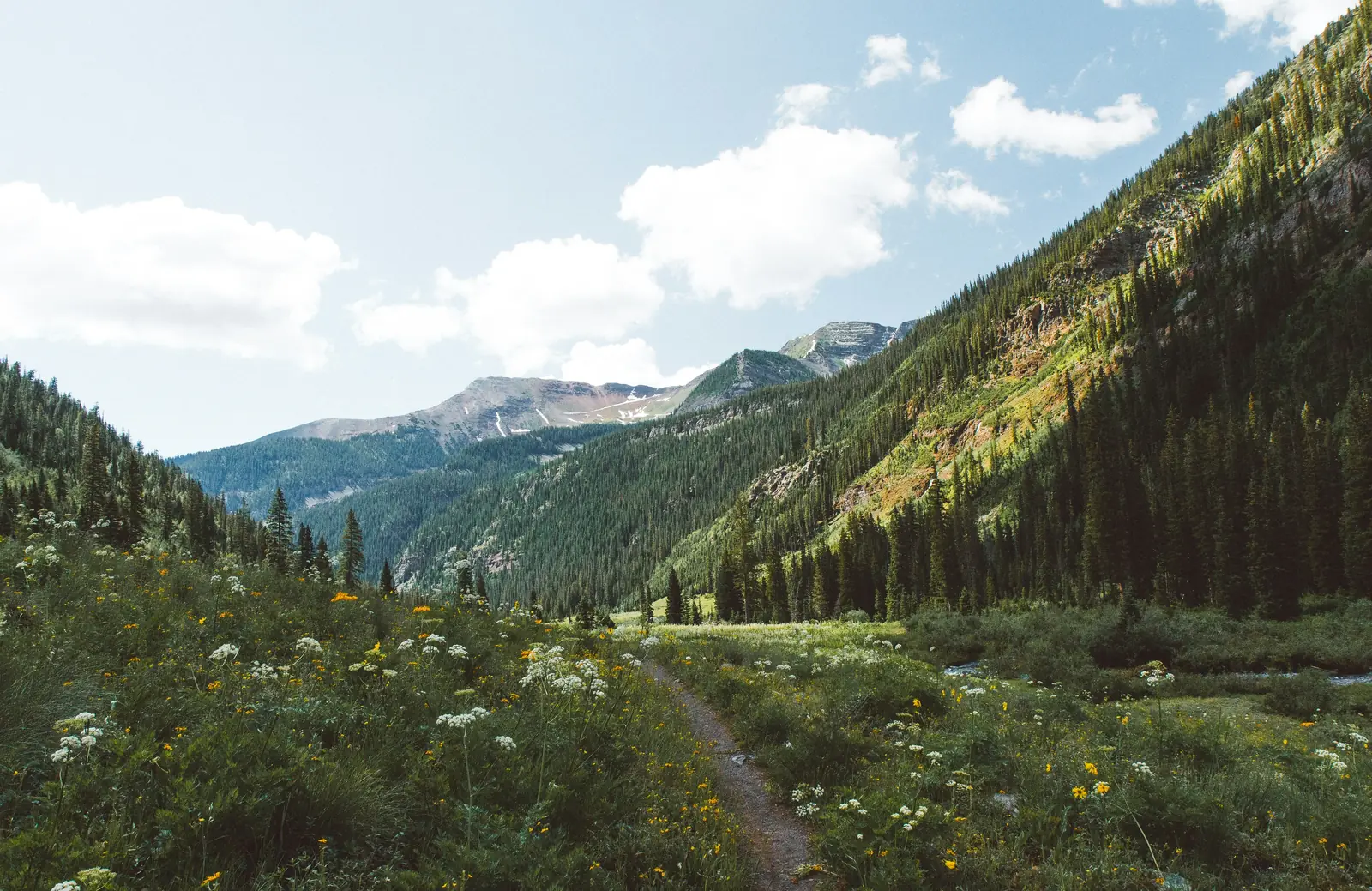
The wildflowers made the town famous nationally. The Crested Butte Wildflower Festival was founded in 1986 and has run every July since. The Colorado Legislature designated Crested Butte the Wildflower Capital of Colorado in 1990. The designation is accurate. The hillsides from mid-July through early August hold over 200 species of wildflowers. Lupine, Indian paintbrush, columbine, fireweed, and dozens of others carpet meadows at 9,000 to 11,000 feet.
The town sits at 8,885 feet at the head of the Slate River valley. One paved road in from Gunnison, 28 miles south. The other route, over Kebler Pass, is a dirt road that closes in winter. This remoteness keeps Crested Butte from becoming something it does not want to be. Chain restaurants have never gained a foothold. The downtown is three blocks of Elk Avenue lined with colorful Victorians, each one a little crooked.
Who lives here: around 1,500 year-round in the town of Crested Butte and another 850 in Mount Crested Butte, the ski area base. A larger working population commutes in from Gunnison, 28 miles south. The demographic is younger and more hands-on than Aspen or Vail. Ski patrollers, nurses, bike mechanics, builders, artists, and remote workers who fled Front Range cities during the pandemic. The town has held onto its identity as a place for people who value time outside over visible wealth.
The culture here is built around movement. Mountain biking was essentially invented in Crested Butte in the 1970s when locals started riding clunky bikes over Pearl Pass to Aspen. That spirit persists. In summer, bikes outnumber cars. In winter, the ski area runs terrain that scares intermediate skiers. The Extremes are some of the steepest inbounds runs in North America. This is not a place that coddles visitors.
Friday afternoon in summer is bikes everywhere. The Elk Avenue traffic is almost all bike rental and shuttle vans heading toward Brush Creek or the 401 trailhead. Shops are selling energy bars and tubes by the case. The brewery patios fill up from 5 PM. Tuesday morning is quiet. Camp 4 Coffee has a line of locals. Snodgrass Trail has maybe two riders on it. The town feels like a place where people live.
Where to Eat
Slogar serves family-style fried chicken and steak dinners in a white Victorian house. Address: 517 Second Street. The chicken dinner ($36) with coleslaw, mashed potatoes, and biscuits feeds you for a full day. Cash accepted but card works now. Reservations required. Slogar has been doing this since 1980 and has changed nothing because nothing needs changing. The steak dinner ($42) is also solid but the fried chicken is why this place exists. Dinner only. Closed Tuesdays. Book a few days ahead in summer and ski season.
Secret Stash operates out of a purple Victorian and makes creative pizzas that should not work but do. Address: 303 Elk Avenue. The Notorious F.I.G. with fig, prosciutto, and gorgonzola ($26) is the signature. The Monsieur Rouge with house red sauce, pepperoni, and hot honey ($24) is the sleeper. Late-night slices on weekends. The downstairs has a speakeasy vibe with low ceilings and eclectic decor. The upstairs is a cocktail bar. Good beer list. Open for lunch and dinner. No reservations needed for lunch but dinner can get a wait.
The Brick Oven on Elk Avenue does wood-fired calzones ($20) and salads. Address: 223 Elk Avenue. The patio is the best people-watching seat in town. Good lunch spot between morning and afternoon trails. The margherita pizza ($18) is simple and well-made. The wine list is short but chosen well. Open daily for lunch and dinner.
Sunflower on Second Street is the fine dining option. Address: 214 Sixth Street. Local ingredients, seasonal menus, and a wine list that goes deeper than you expect for a town this size. The lamb chops ($48) and the pan-seared trout ($38) are the standouts. The dining room is intimate without being precious. Reservations recommended for dinner. This is where locals go for anniversaries and birthdays. Open for dinner only, Wednesday through Sunday.
Teocalli Tamale on Elk Avenue serves tamales, burritos, and tacos from a fast-casual counter. Address: 311 Elk Avenue. The pulled pork tamale ($9) and the fish tacos ($16) are reliable fuel for a day on the trails. Good hot sauce selection. Everything is made in-house. This is what you eat at noon before heading back out. Open for lunch and early dinner. Closes at 7 PM.
The Last Steep on Elk Avenue is the locals' bar and grill. Address: 208 Elk Avenue. Burgers ($17), wings ($15), and a draft list heavy on Colorado breweries. The vibe is loose and loud. Live music on weekends in winter. Pool table in back. This is where the ski patrol eats after closing sweep. No reservations. No pretension.
Ryce is the Asian-influenced option. Address: 329 Elk Avenue. The banh mi ($16) and the bulgogi rice bowl ($22) are the moves. Small dining room with a sushi bar. The rolls are surprisingly good for a landlocked town at 9,000 feet. Open for lunch and dinner. Reservations for dinner.
Mcgill's serves breakfast and lunch in a diner on Elk Avenue. Address: 228 Elk Avenue. The huevos rancheros ($14) and the breakfast burrito ($13) are the standards. Open 7 AM to 2 PM. The counter seats give you the full diner experience. Line out the door on weekends, manageable on weekdays.
Django's in Mount Crested Butte is the ski-in lunch spot. Address: Mountaineer Square at the base of the resort. The elk chili ($16) and the grilled cheese ($14) are solid. Outdoor deck faces the lifts. Good beer selection.
Camp 4 Coffee on Elk Avenue is the best coffee in town. Address: 402 Elk Avenue. Locally roasted beans. The breakfast burrito ($10) is reliable. The building is a renovated mining cabin. Open 6:30 AM to 2 PM.
Montanya Distillers makes rum in the mountains, which sounds wrong and is actually brilliant. Address: 212 Elk Avenue. The Oro rum on the rocks and the Maha Nia cocktail are the moves. Food menu includes empanadas and a Cuban sandwich. Open from 2 PM until close.
Bonez on Elk Avenue is the tequila bar with tacos. Address: 130 Elk Avenue. The al pastor tacos ($14) and the mole enchiladas ($22) are well executed. Solid tequila list with dozens of options by the glass. Open for lunch and dinner.
Soupcon is the long-running fine dining alternative. Address: 127A Elk Avenue, through the alley. The restaurant seats 30 and has been serving French-influenced menus since 1975. Entrees $45 to $65. Tasting menu available. The back-alley entrance is part of the charm. Reservations essential.
Bluebird Cafe on Second Street serves the best breakfast in town after McGill's line gets too long. Address: 317 Elk Avenue. The breakfast burrito ($12) and the lox plate ($16) are reliable. Open 7 AM to 2 PM. Good coffee.
Lil's Sushi Bar in the Grand Lodge building. Address: 321 Elk Avenue. Japanese food in the mountains, executed better than you would expect. The chirashi bowl ($28) is the standout. Reservations for dinner.
Pitas in Paradise on Elk Avenue is the lunch-on-the-go option. Address: 212 Elk Avenue. Falafel and gyro pitas around $12. Counter service, fast, and good fuel for a trail day.
Where to Stay
Elevation Hotel & Spa at the base of the ski area. Address: 500 Gothic Road, Mount Crested Butte. Modern, full spa, slope-side access. Rooms from $220 in summer, $450 in ski season. The rooftop hot tub at 9,375 feet is the draw. The spa is the best in the valley. Ski valet and rental shop on site. Good for families and anyone who wants convenience. The shuttle to downtown runs every 15 minutes. Best for: skiers who prioritize slope access.
Cristiana Guesthaus is a family-run lodge in town. Address: 621 Maroon Avenue. Small rooms, shared lounge, home-cooked breakfast. It feels like staying at a friend's cabin. Rooms from $150. The owners have been here for decades and know every trail, restaurant, and shortcut in town. Ask them anything. The breakfast alone saves you $20 a day. Walking distance to Elk Avenue. Best for: couples and solo travelers.
The Ruby of Crested Butte is a boutique hotel on Sopris Avenue. Address: 624 Gothic Avenue. Renovated with care. Each room has local art and a mountain view. The common area has a fireplace and a small bar. Rooms from $200 in summer, $380 in winter. This is the middle ground between resort and budget. Quiet, personal, well-located. Adults tend to stay here. Best for: couples and travelers who want character.
The Inn at Crested Butte on Sixth Street. Address: 510 Whiterock Avenue. A converted Victorian with eight rooms. Rooms from $180 in summer, $320 in winter. The breakfast is full hot, not continental. Walking distance to everything. Best for: travelers who want a B&B experience without the smallness.
Grand Lodge Crested Butte in Mount Crested Butte. Address: 6 Emmons Loop. Condo-style rooms with kitchens, indoor pool, hot tub. Rooms from $250 in summer, $450 in winter. Larger property, slightly corporate, reliable. Good for families staying a week or more.
Nordic Inn in Mount Crested Butte. Address: 14 Treasury Road. Vintage ski lodge feel. Rooms from $180 in summer, $380 in winter. Outdoor hot tub, continental breakfast, ski shuttle. The bar downstairs is a local fixture. Best for: budget-conscious skiers who want slope access.
Crested Butte International Hostel on Teocalli Avenue is the budget option. Address: 615 Teocalli Avenue. Dorm beds from $45. Private rooms from $120. Shared kitchen, gear storage, and a common room where you will meet other riders and skiers. Clean and well-run. The location puts you two blocks from Elk Avenue. This is where the mountain bike community congregates in summer.
Cement Creek Ranch is the cabin option, about 15 minutes southeast of town. Address: Cement Creek Road. Cabins from $200 a night. Creekside, quiet, and dark enough at night to see the Milky Way. Good for people who want the outdoors without the ski town scene. Cell service is spotty here.
Scarp Ridge Lodge is the high-end all-inclusive option. Eleven West offers private guided skiing, gourmet meals, and luxury lodging in a rebuilt 1880s building on Second Street. Packages from $1,800 per person per night. Best for: travelers who want a full-service backcountry-adjacent experience.
Pioneer Guest Cabins about six miles southeast of town on Cement Creek Road. Eight cabins from $250 a night. Hand-built in the 1930s. No TVs, limited cell service, and star views. Best for: travelers who want true quiet.
What to Do
Mountain bike the 401 Trail. This is the ride that put Crested Butte on the map. A thirteen-mile loop through alpine meadows at 11,000 feet with views of the Maroon Bells Wilderness. Intermediate to advanced. Best July through September. The climb starts from the Gothic Road and gains about 1,600 feet before traversing the ridge. The descent through the wildflower meadows is the payoff. Bring layers. Weather changes fast at altitude. Allow four to six hours for the full loop. Parking at the Schofield Pass trailhead.
Hike to Judd Falls from the Gothic townsite. Distance: 2 miles round trip. Easy through wildflower meadows. In July, during the Wildflower Festival, naturalist-led hikes run daily. The trail starts at the Rocky Mountain Biological Laboratory, a field research station in the ghost town of Gothic. The falls are modest but the wildflower display along the trail is the reason to go. Good for kids and anyone who wants a short walk with big views.
Hike Scarp Ridge for the view without the technical trouble. 6 miles round trip with 1,800 feet of gain. The trailhead is at the Lake Irwin Campground off Kebler Pass Road. Starts through aspen and climbs above treeline to a ridge looking east across the Elk Range. Difficulty: moderate. Best August and September. The wildflowers on the lower slopes in mid-July are some of the best in the valley.
Ski the Extremes at Crested Butte Mountain Resort. The north face terrain is some of the steepest inbounds skiing in North America. Headwall, the Spellbound Glades, Teocalli Bowl. Expert only. The terrain is naturally steep with rocky features and tight chutes. On a powder day, the north face holds snow for hours after the rest of the mountain gets tracked out. Ski patrol opens terrain based on conditions. Not everything runs every day. First chair on a powder day gets you there before the lines.
Ride the Kebler Pass Road to Lost Lake. A ten-mile dirt road through the largest aspen grove in Colorado. In late September, the entire mountainside turns gold. At Lost Lake, you can hike the one-mile loop around the water or paddle a canoe. The road closes to vehicles in winter but is popular for cross-country skiing. In summer, the drive alone is worth it. Allow an hour each way with stops. The road opens in late May or early June depending on snow.
Fish the Slate River or the East River in the Gunnison Valley. Both hold wild brown and rainbow trout. The East River below the Gothic Bridge is the most accessible. No guide needed if you have your own gear and a Colorado fishing license. September and October are the best months when the water clears and the browns are active. Guided trips run from $400 for a half day. Dragonfly Anglers in town is the local shop.
Walk the streets of downtown Crested Butte on a summer evening. The painted Victorians glow in the low light. Galleries stay open late on First Fridays. The Mallardi Cabaret at the Center for the Arts hosts comedy, music, and theater in a small venue. Check the schedule. Elk Avenue after dinner, with a beer from a local brewery, is the right way to end a day here.
Hike the Oh-Be-Joyful Valley trail. Moderate 8-mile round trip with 1,500 feet of gain. Starts from the Oh-Be-Joyful Campground north of town off Slate River Road. Aspen groves, wildflower meadows, and views of the Ruby Range. Wilderness area, so no bikes. One of the best wildflower hikes in late July.
Ride Snodgrass Trail for an easier mountain bike option. 5-mile out-and-back or a 10-mile loop with the Washington Gulch connection. Intermediate difficulty. Views of Mount Crested Butte and Gothic Valley. Parking at the Snodgrass trailhead off Gothic Road. The single-track through aspens in late September is exceptional.
Attend the Crested Butte Wildflower Festival from July 10 to July 19 annually. Naturalist-led hikes, photography workshops, and garden tours. Book in advance at crestedbuttewildflowerfestival.org. Some hikes sell out six months ahead.
Catch the Crested Butte Music Festival in July and August. Classical music in venues around town including the Center for the Arts. Smaller and less pretentious than Aspen's festival. Student concerts are often free.
Drive or hike to the Dark Canyon Trail for solitude. Trailhead 10 miles north of town via Slate River Road (high clearance helpful). 9 miles round trip to the Daisy Pass saddle. Quiet, dramatic, and you will not see many other hikers. Best August through early October.
Visit the Mountain Heritage Museum on Elk Avenue. Address: 331 Elk Avenue. Free admission. Covers the coal mining history, ski town revival, and the mountain biking origin story. Small but worth 45 minutes. The vintage ski gear collection is genuinely interesting.
Take a horseback ride with Fantasy Ranch Outfitters. Half-day rides to alpine meadows start at $180. The rides out of Cement Creek cover terrain you cannot easily reach on foot. Experienced guides and well-trained horses.
Ride the Crested Butte Mountain Bike Park in summer. The ski area converts to a downhill bike park from mid-June through September. Lift tickets around $55. Rentals available at the base. Progression trails for beginners, full-on downhill for experts.
Hike Copper Lake from the Judd Falls trailhead. 8 miles round trip with 2,300 feet of gain. Climbs above treeline to a cirque lake at 11,300 feet. Strenuous. Best late July through early September.
Attend the Crested Butte Film Festival in late September. Smaller and scrappier than Telluride's festival. Four days of independent films in the Center for the Arts. Day passes around $75.
Hit the farmers market in Totem Pole Park on Sunday mornings from mid-June through early October. 9 AM to 1 PM. Produce, crafts, prepared food. This is where the locals go on Sunday mornings.
Tour the Gothic Townsite with the Rocky Mountain Biological Laboratory. Free walking tours most summer afternoons. The lab has been operating research in this alpine valley since 1928. Scientists study climate change, pollinators, and alpine ecology. The public tour is fascinating and the setting is 9,500 feet deep in the Elk Mountains.
Ride the Pearl Pass Tour route if you are an experienced mountain biker. 40 miles over 12,700-foot Pearl Pass to Aspen. This is the original 1970s ride that started modern mountain biking. Best in August and September. Not for the faint of heart. Shuttle back from Aspen via the Alpine Express to Gunnison and then back to Crested Butte.
Catch Crested Butte Summer Concert Series every Monday evening from late June through August. Free, at Big Mine Park near the ski area base. Bring a blanket.
When to Go
Mid-July for wildflowers. Early February for powder. The town shuts down almost completely during mud season in April and May when the ski area closes and the trails are too soft to ride. The best-kept window is the last two weeks of September: bike trails firm, aspen gold everywhere, and the town is quiet.
The Kebler Pass aspens peak September 22 through September 28 in a typical year. The entire hillside glows gold. The Dark Canyon and Horse Ranch Park areas hold color slightly later than the valley floor.
Winter skiing runs late November through early April. The mountain gets an average of 300 inches of snow per year. January and February have the most consistent cold temperatures and the deepest base. March brings warmer days and spring conditions. The Extremes typically open in mid-January after sufficient snow coverage.
Summer mountain biking starts in late June at lower elevations and mid-July at higher altitudes once the snow melts off the passes. The 401 Trail typically opens in early to mid-July. August is prime time for riding with the most trail options and the most predictable weather.
The wildflower peak window is July 10 through August 5, with mid-July holding the most species in bloom. The Wildflower Festival runs over the peak dates.
Avoid the Fourth of July weekend if you want the town to yourself. It is one of the busiest weeks of the year. The parade down Elk Avenue is the tradition. If you come, come for that. Conversely, the week after Labor Day is quiet, sunny, and the trails are in their best condition. Locals consider September their favorite month and they are right.
Winter mud season runs April 15 through early June. Summer mud season runs mid-October through late November. During both windows, many businesses close. The town essentially pauses for a few weeks.
Christmas week runs the highest prices and heaviest crowds in winter. The ski area is fully operational but lift lines exist on the weekends. The Crested Butte Nordic Center holds a torchlight parade on New Year's Eve.
Vinotok is a pagan-Celtic harvest festival held in mid-September. It is weird, local, and unforgettable. A bonfire on the last night. Most visitors miss it. Locals treat it as the real holiday.
Getting There
Crested Butte is 230 miles southwest of Denver. The drive takes four and a half hours via I-70 to Highway 50 through Gunnison. The last 28 miles from Gunnison to Crested Butte follow the Slate River through a narrow valley. It is an easy, scenic drive with no difficult passes.
In summer, Kebler Pass Road connects Crested Butte to Paonia and the North Fork Valley to the west. The dirt road is passable for most vehicles in dry conditions. It is one of the best fall drives in Colorado. The road is closed from late October through late May.
The Gunnison-Crested Butte Regional Airport sits 30 miles south in Gunnison. Direct flights from Denver, Houston, and Dallas during ski season. The Alpine Express shuttle to Crested Butte takes 40 minutes and runs multiple times daily. Car rentals are available at the airport but you do not need a car if you stay in town.
From Denver, the most scenic approach is over Monarch Pass on Highway 50. The pass tops out at 11,312 feet and drops into the Gunnison Valley. Stop at the Monarch Pass summit for the view. The old ski area's lodge serves coffee and pie.
The winter drive from Denver can be slow. The Eisenhower Tunnel to Copper to Monarch Pass route hits three high passes. Check CDOT before you go. The I-70 corridor backs up on Friday afternoons. Leaving Denver at 6 AM gets you to Crested Butte by noon without major delays.
You do not need a car in Crested Butte. The Mountain Express bus runs free between town and Mount Crested Butte every 15 minutes from 7 AM to midnight. The town itself is three blocks long. For trail access at the 401 or Kebler Pass, rent a car for those days or use a shuttle service like Alpine Express or Outrider.
The Insider Take
The best coffee in Crested Butte is at Camp 4 Coffee on Elk Avenue. The roast is strong. The building is a renovated mining cabin. Locals post ride conditions and trail reports on the community board by the door. Read it before you plan your day.
Skip the main mountain bike trails on a weekend and ride the Lower Loop trail system on the west side of town instead. Less traffic. Great wildflower views. More technical than the beginner loops but accessible for intermediate riders. The lower loop itself takes about an hour and connects back to town.
On Wednesday nights in summer, the town hosts a free concert series in Totem Pole Park behind the Center for the Arts. Bring a blanket and a six-pack. The music ranges from bluegrass to funk. The crowd is entirely local. It is the best free evening in the Gunnison Valley.
The Peanut Lake Trail at the west end of town is a flat two-mile loop that almost no tourists walk. It runs past a small lake through cottonwoods. Sunrise and sunset give you reflections of Mount Crested Butte in the water. Bring a dog. Locals do.
The Kochevar's Saloon on Elk Avenue is the oldest bar in the valley. Address: 127 Elk Avenue. Opened in 1899 by a Slovenian immigrant. Same family ran it for a century. Still has the original back bar. Cheap beer, dim light, and a pool table. The tourist crowd goes to Brick Oven. The locals go here.
On a powder day, take the Silver Queen chair first. Ski the north face before the groomers even open. By 10 AM the bowls are tracked but the trees along Spellbound still hold. Most visitors start on the High Lift and miss the early window.
For a summer lunch spot most people never find, drive up to Gothic and sit at the picnic tables outside the Rocky Mountain Biological Laboratory. Bring your own food. The research station has been operating since 1928. Scientists in sun hats walk past. The view across the Gothic valley is the best free view in the region.
Practical Info
Crested Butte sits at 8,885 feet. Mount Crested Butte at 9,375 feet. Altitude affects almost everyone the first 48 hours. Headaches, disrupted sleep, and general fatigue are common. Drink water constantly. Skip alcohol on the first night. Sleep at a lower elevation (Gunnison at 7,700 feet) on the way in if possible. The aspen groves and hikes only get higher from here. Plan to acclimate before tackling 11,000-foot hikes.
Cell service is decent in town, patchy at the ski resort base, and non-existent on most trails beyond a mile from pavement. Verizon is strongest. AT&T is workable. T-Mobile is weak. Download offline maps before heading into the backcountry.
Cash is still useful in a few older bars and at the farmers market. Most places take cards. One ATM at the Alpine Bank on Elk Avenue.
Grocery options are limited. Clark's Market on Sixth Street is the main grocery and is expensive. City Market in Gunnison is the cheaper option, 28 miles south. The Farmers Market in Totem Pole Park runs Sunday mornings from mid-June through early October. The Mountain Earth Food Coop on Elk carries specialty items.
Gas is expensive in town. The Shell on Highway 135 north of town is the only station. Fill up in Gunnison if you are driving in. No gas station in Mount Crested Butte.
Recreational cannabis is legal. Soma Wellness on Elk Avenue and Tumbleweed in Gunnison are the options. The products are well-tested. Given the altitude and the potency, cut whatever dose you would normally take in half.
Parking in town is free on side streets with three-hour limits on Elk Avenue during summer. The Four-Way lot at the east end of Elk is free and unlimited. In winter, the town runs snow parking rules from November through April.
Short-term rentals are regulated. The town has a cap on STR licenses and enforces it. Most legitimate rentals go through the Peak Property Management, Accommodations in Crested Butte, or direct through local owners. The supply is tight. Book months in advance for peak weeks.
The weather pattern: afternoon thunderstorms are daily from July 5 through August 15. Start high-elevation hikes by 7 AM. Be back below treeline by 1 PM. Lightning is the real danger, not the rain. Winter storms can shut the Gunnison valley drive for a few hours. Keep tire chains or good snow tires if you are driving in between December and March.
Bears are active from April through October. Locked trash is required by town ordinance. Moose are common on the trails around Gothic and in the willows along the East River. Give them 50 yards. They are faster than they look.
Water: the municipal water comes from the Slate River drainage and is clean and cold. Do not drink from streams without filtering. Giardia is real in this drainage.
Dogs are welcome almost everywhere. Most trails allow off-leash under voice control. The town allows dogs in many outdoor dining areas. The Last Steep even has water bowls at the door.
The sun at this altitude and this latitude burns fast. Wear sunscreen even on cloudy days. The UV index in summer runs higher than at sea level.
Post office address is 216 Elk Avenue. It closes at 5 PM on weekdays and is the community message board for anyone staying more than a week.
Mail-order weed and Amazon deliveries run slower than the Front Range. Plan a week ahead if you need something shipped.
Final Notes
Crested Butte is the town that tries least to impress you, which is why people fall for it. The ski patrollers still ski in torn jackets. The mountain bike guides still live in converted vans. The wildflowers bloom whether anyone is looking or not. Come in mid-July for the flowers. Come in September for the aspens. Come in February for the snow. Come when you can. Stay longer than you planned.