
The Vibe
Durango is a railroad town that figured out the rest. The Durango & Silverton Narrow Gauge Railroad still runs coal-fired steam locomotives up the Animas River canyon, and it has run them continuously since 1881. That is not a tourist recreation. That is the same line that hauled silver ore out of the San Juan Mountains in the last century and still hauls passengers today. The train is the soul of the town. Everything else grew up around it.
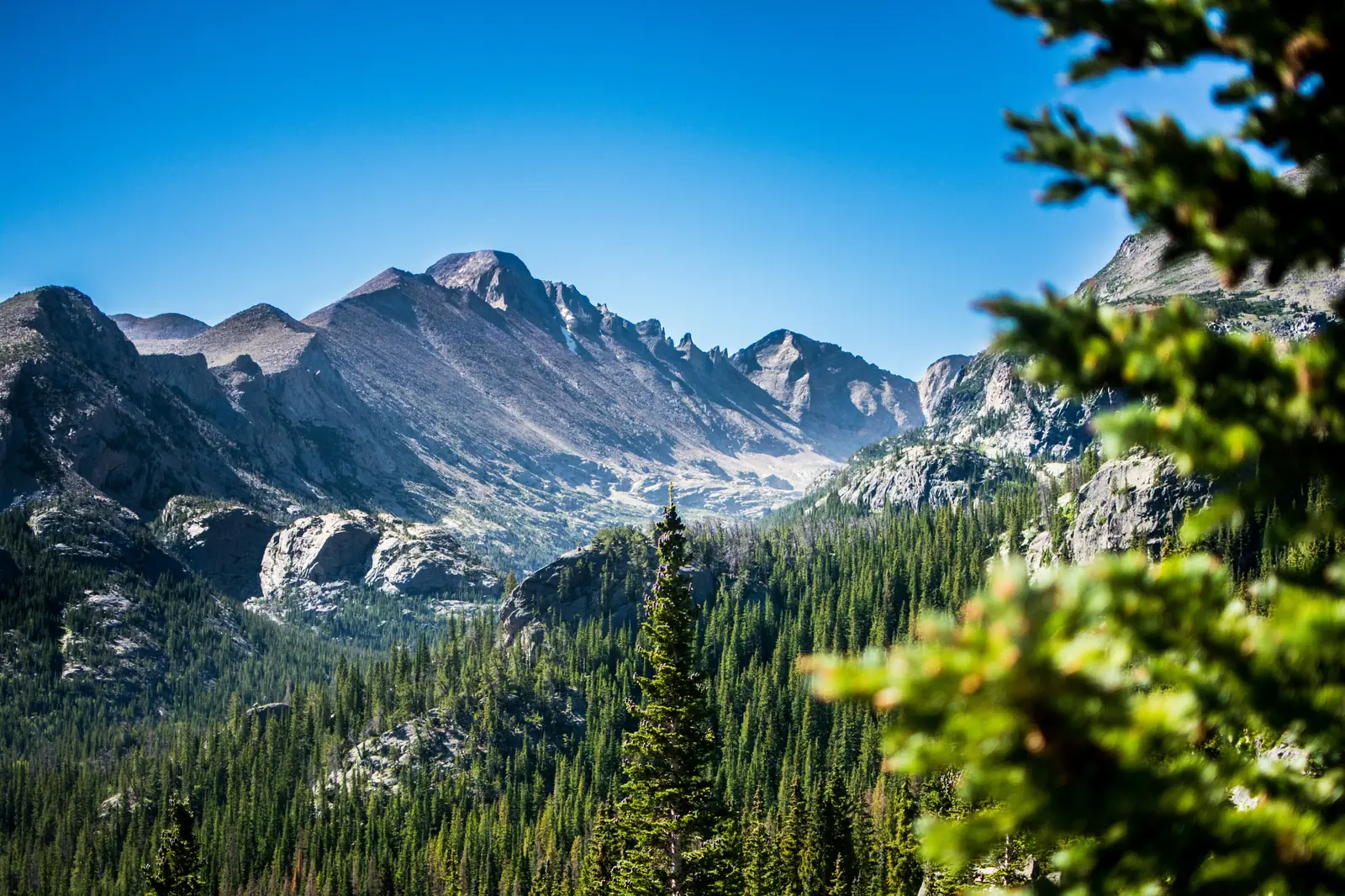
The town sits at 6,512 feet in the Animas River valley, with the San Juan Mountains rising to the north and the mesa country of the Four Corners opening to the south. That position makes Durango a crossroads where three Wests converge. The high-altitude, rough-country West of the San Juans to the north. The Southwest of the Navajo Nation and the Ute reservation and the red-rock mesas to the south. The college-town West of Fort Lewis College on the bluff above. Those three cultures mix here more completely than they do in most towns.
Durango was founded in 1880 by General William Jackson Palmer and the Denver & Rio Grande Railroad as a smelting hub for the silver mines around Silverton. The railroad was the reason the town existed, and the money flowing through it built the Victorian commercial buildings that still line Main Avenue. The Strater Hotel opened in 1887. The General Palmer opened in 1898. When the mining economy faded in the early 20th century, the railroad was the thing that survived, eventually transitioning from freight to a heritage passenger line that now runs year-round.
The river defines daily life. The Animas River runs through town with enough current to support kayaking, rafting, and tubing through summer. The Animas River Trail is a paved seven-mile path that connects neighborhoods on both banks and is the town's primary artery for runners, bikers, and dog walkers. In summer, the river parks fill with families and college students. Fort Lewis College, on the mesa above town, enrolls about 3,500 students. The college gives Durango a youthful energy that separates it from most mountain towns, and its Native American Studies program draws students from tribes across the Southwest.
Who comes to Durango depends on the season. Summer brings train riders, rafters, and families on Four Corners road trips. Fall brings mountain bikers, hunters, and leaf-peepers on the San Juan Skyway. Winter is quiet, with Purgatory Resort 30 minutes north providing a low-key, low-priced alternative to the I-70 resorts. Spring is mud season, when locals go to Moab for the bike trails that dry out first.
Arriving in Durango feels different from arriving in most Colorado mountain towns. There is no dramatic pass. You come in from any direction along a river valley or a mesa road and the town appears at the bottom. The downtown reveals itself block by block along Main Avenue. The train depot sits at the south end with the locomotives hissing in the morning. The smell of coal smoke hangs in the air. This is a working town that looks the way it looks because the work built it.
Where to Eat
Ore House has been serving steaks on Main Avenue since 1972. The Colorado ribeye ($52) with a baked potato is the standard. The salad bar is honest and generous. No pretension, no fusion, no small plates. The upstairs location puts you above the street with window tables overlooking Main Avenue. This is the old-school steakhouse every Colorado town used to have and most no longer do. Reservations recommended on summer evenings. The bar serves the full menu for walk-ins. Open for dinner only, 5 to 10 PM daily.
Ken & Sue's on East 2nd Avenue serves new American food in a converted Victorian with a back patio that is the best outdoor seat in town. The pecan-crusted trout ($38) has been on the menu for 25 years and remains the right order. The duck breast ($42) is the alternate. The wine list is thoughtful and fairly priced. Reservations strongly recommended. Open Tuesday through Saturday for dinner.
Jean Pierre Bakery on Main Avenue opens at 7 AM for croissants ($4.50), quiche ($9), baguettes, and proper French press coffee. The almond croissant is the best pastry in southwest Colorado. Get there by 8 AM on weekends; they sell out. The bakery also does lunch sandwiches on house-baked bread. The jambon beurre with Gruyere ($13) is correct. Small seating area inside. Most people take their coffee and pastry to the river trail. Open Tuesday through Sunday 7 AM to 3 PM.
East by Southwest on Main Avenue does Asian-Southwestern fusion in a second-floor dining room with rooftop seating in summer. The seared ahi tuna tacos ($19) and the Thai green curry ($24) are the standard orders. The happy hour from 4 to 6 PM offers half-price appetizers and cheap sake. The fusion concept works because the kitchen commits fully to both halves rather than splitting the difference. Good first-night dinner.
Zia Taqueria has two Durango locations, on north Main and on College Drive. Fast-casual tacos and burritos with fresh in-house tortillas. The carne asada tacos ($13 for three) and the fish tacos ($15) are the standards. The green salsa is the draw. Cheap, fast, consistently good. This is where locals eat when they do not feel like thinking about dinner. No reservations. Open daily for lunch and dinner.
Eolus Bar & Dining on Main Avenue is the newer fine-dining option. Seasonal American food with an emphasis on local sourcing. The elk tenderloin ($54) and the pan-seared Colorado bass ($42) are the highlights. The cocktail program is the best in Durango. The bar area does not require reservations and is a good spot for a drink before dinner elsewhere. Open Tuesday through Saturday for dinner.
Cyprus Cafe on East 2nd Avenue serves Mediterranean and Middle Eastern food in a small dining room with a patio. The lamb tagine ($34) and the mezze platter ($28 for two) are the orders. The wine list has strong Greek and Lebanese selections. The patio gets good light in the late afternoon. Reservations helpful on weekends. Open for dinner Tuesday through Saturday.
Carver Brewing Company on Main Avenue is the oldest brewpub in southwest Colorado, open since 1988. The beer is solid and the pub menu covers burgers, sandwiches, and breakfast all day. The Iron Horse Oatmeal Stout is the house standard. The green chile cheeseburger ($17) is the right order at lunch. Good for a casual meal or a post-hike beer. Open daily 7 AM to 10 PM.
11th Street Station on the south side of town is a food truck park with five to eight trucks rotating through. Tacos, barbecue, Thai food, wood-fired pizza. Picnic tables, a bar serving craft beer and cocktails, live music on Friday and Saturday nights. Entry is free. Most items $10 to $16. Dogs welcome. Family-friendly. This is where Durango gathers on a summer evening. Open April through October.
Bread Bakery on East 5th Street is the other bakery in town and does a different style than Jean Pierre. Sourdough loaves, morning buns, savory breakfast plates. The breakfast sandwich ($12) on their own sourdough is the order. Seating is limited. Open Wednesday through Sunday 7 AM to 2 PM.
Seasons Rotisserie & Grill on Main Avenue is the mid-priced reliable dinner option. Rotisserie chicken, wood-grilled steaks, fish, and pasta. The rotisserie chicken ($28) is what to order. The bar is a comfortable place for a drink. Reservations helpful on weekends. Open daily for dinner.
El Moro Spirits & Tavern on Main Avenue is the cocktail bar with serious intent. The bartenders know what they are doing and the spirits selection runs deep on bourbon and mezcal. Small food menu of elevated bar snacks. Good for a nightcap. Open Tuesday through Saturday 4 PM to midnight.
Where to Stay
Strater Hotel on Main Avenue is the Victorian grande dame and the most historic lodging in town. Hand-carved walnut woodwork, period-accurate furnishings in every room, and the Diamond Belle Saloon on the ground floor with honky-tonk ragtime piano every night. Rooms from $220 in summer, $180 in winter. The location on Main Avenue is the best in town and puts you two blocks from the train depot. Request a room facing Main Avenue for the best views and most street noise; the back rooms are quieter. This is where I would stay on a first visit.
The Rochester Hotel on East 2nd Avenue is the boutique hotel in a restored 1892 building. Fifteen rooms, each themed around a Western film shot in the region. Complimentary breakfast in the courtyard garden. Rooms from $190 in summer. Quiet side street off Main Avenue. Walking distance to everything. Good for couples. The sister property, the Leland House, shares the same owners and offers suite-style rooms across the street.
General Palmer Hotel on Main Avenue is the Strater's sister property with a slightly more refined, less raucous feel. Named for the railroad baron who built Durango. Rooms from $200. Complimentary breakfast. One block from the train depot. Good value for a historic downtown hotel.
Doubletree Durango on Camino del Rio sits on the Animas River about a mile south of downtown. Modern rooms, an indoor pool, river-view rooms worth requesting. Rooms from $180 in summer. The property is a short walk along the river trail into downtown. Good for families and anyone who wants modern amenities at a lower price than the historic hotels.
Tall Timber Resort, 20 miles up the Animas River canyon, is accessible only by the Durango & Silverton train or by helicopter. Luxury cabins, all-inclusive dining, access to miles of private wilderness trails. From $900 per person per night. Open summer only. Book a year out. This is one of the most distinctive lodging experiences in the American West and is worth the price and logistics if you can swing it.
Purgatory Lodge at Purgatory Resort, 27 miles north of town, offers ski-in/ski-out condos and hotel rooms. Rooms from $180 in summer, $280 in ski season. Best for skiers and anyone wanting to be closer to the backcountry. The drive into Durango from Purgatory is 30 minutes on Highway 550.
Durango KOA Holiday three miles north of town on the river offers tent sites from $38, RV hookups, and cabins from $95. A pool, a store, direct river access, and a shuttle to downtown on request. The riverside tent sites are the best value. Book ahead for July and August. Open April through October.
Adventure Inn on north Main Avenue is the budget motel option. Clean rooms, an outdoor pool, walking distance to 11th Street Station. Rooms from $110 in summer. No frills. Works for budget travelers.
What to Do
Ride the Durango & Silverton Narrow Gauge Railroad. The full round trip to Silverton takes nine hours: three and a half hours each way on the train with two hours in Silverton for lunch. The open-air gondola car is the way to go. Tickets run $110 to $220 depending on class. Book a month out for summer dates. The train follows the Animas River through a canyon inaccessible by road, passing through old-growth forest and crossing the river on trestles hundreds of feet above the water. The return trip can be shortened by taking a bus back one way (combination ticket $95). The winter holiday train runs shorter routes in December. The Cascade Canyon train in Tuesday and Thursday evenings of summer is a shorter, cheaper option (details in Insider Take).
Mountain bike the Hermosa Creek Trail, a 20-mile point-to-point through old-growth forest and meadows from Purgatory to Hermosa. Intermediate, technical in sections. Shuttle services run from Durango bike shops ($50 to $80 per person). Best June through October. The singletrack winds through ponderosa pine and aspen with creek crossings. Allow six to seven hours for a relaxed pace. The last five miles into Hermosa are fast and flowing.
Kayak or paddleboard the Animas River through town. Mild Class I and II rapids in the town section make it accessible for beginners. Outfitters on Main Avenue rent kayaks and SUPs from $60 for a half-day. The town section from Santa Rita Park to Dallabetta Park takes about two hours. The Animas River Days festival in early June takes over the river park with freestyle kayak competitions and music.
Drive the San Juan Skyway, a 236-mile loop through the San Juan Mountains that connects Durango, Silverton, Ouray, Telluride, and Cortez. The full loop takes a long day or a comfortable two days with stops. The stretch from Silverton to Ouray over Red Mountain Pass, the Million Dollar Highway, is the most dramatic road in Colorado. Fall color peaks in late September through the first week of October. Gas up in Durango before starting. Services are sparse on the northern and western sections.
Hike Potato Lake (Spud Lake) from the trailhead off Highway 550 north of Durango. A 3.5-mile round trip through spruce forest to an alpine lake beneath the Twilight Peaks. Moderate, 700 feet of gain. Less crowded than the popular San Juan hikes near Silverton. The lake sits in a cirque at 10,800 feet. Good for a half-day. Snow can linger on the trail through late June.
Visit Mesa Verde National Park, 35 miles west of Durango. The best-preserved Ancestral Puebloan cliff dwellings in North America. The Cliff Palace and Balcony House tours require tickets purchased in advance ($8 per person plus the park entry fee of $30 per vehicle). Allow a full day. The drive from Durango takes 45 minutes. The park is open year-round but cliff dwelling tours run from May through October. The Chapin Mesa Archeological Museum at the visitor center is worth an hour.
Bike the Animas River Trail from Dallabetta Park north to the Fort Lewis campus and back. The paved trail is seven miles one way, flat, and follows the river closely. Bike rentals from Hassle Free Sports and several other downtown shops. This is the best way to see the town and the river without driving. An easy half-day outing.
Ski Purgatory Resort, 27 miles north of town. 1,600 skiable acres, 12 lifts, a summit elevation of 10,822 feet, and a vertical drop of 2,029 feet. The resort gets about 260 inches of snow per year, less than the I-70 resorts but with far shorter lift lines. Lift tickets $100 to $130 in peak season, half the price of Vail or Aspen. The terrain favors intermediates and advanced intermediates with a few steep lines off Legends lift. Family-friendly. Summer operation includes an alpine slide, mountain biking, and a scenic chairlift.
Raft the Animas River north of town. Half-day and full-day trips run May through September, with the biggest water in May and early June. Class II to III rapids through the Animas Valley. Several outfitters along Main Avenue. Rates from $65 for a half-day.
Explore Chimney Rock National Monument, 50 miles east of Durango. Ancestral Puebloan ceremonial site with cliff dwellings and kivas aligned to the lunar standstill cycle. Small, quiet, and significant. Entry fee $12. Guided tours available. The views from the upper site across the San Juan foothills are the reason to go. Open May through October.
Drive to Silverton on Highway 550 (without taking the train) for a day trip. 50 miles north, about 90 minutes by car. Silverton is a tiny mining town at 9,318 feet with an old downtown of Victorian buildings. The drive back over Red Mountain Pass is the scenic payoff. Lunch at the Pickle Barrel on Greene Street.
Hike Engineer Mountain, 23 miles north of Durango off Highway 550. A 5.5-mile round-trip hike to a 12,968-foot summit with views across the Weminuche Wilderness. Strenuous, with 2,400 feet of gain and scrambling near the top. Best July through September. Start early; afternoon thunderstorms are serious at that altitude.
Visit Trimble Hot Springs six miles north of town. Outdoor mineral pools and private soaking tubs. Adult entry $20. Open daily year-round. The setting along the Animas River is quiet. Weekday evenings are the best time.
When to Go
June through September for the train and the river. The last week of September and the first week of October for fall color on the San Juans without the summer prices. Ski season at Purgatory runs November through April. Avoid the Fourth of July weekend when the town triples in population and parking becomes impossible.
The best week in Durango is the last week of September. The San Juan Skyway peaks for fall color. The train still runs. The river is clear and low. Temperatures in town sit in the mid-60s during the day and drop into the 40s at night. Restaurants have availability without reservations. Lodging rates drop from summer peaks.
Summer is the high season. July is the busiest month; the train sells out weeks ahead, Main Avenue fills with families, and parking downtown gets difficult by mid-morning. August afternoons bring monsoon thunderstorms that usually clear by evening. June is slightly less crowded and offers the highest river flows of the year.
Winter in Durango is mild in town. Daytime highs sit in the 40s; overnight lows drop into the teens. Snow falls but melts quickly at the town elevation. Purgatory gets colder and snowier. The restaurants and hotels in town welcome you with shorter waits and better service in winter. December through February are the quietest months.
Mud season runs mid-April through late May, between ski season and the summer rush. Trails are soft. Some restaurants reduce hours. Locals leave for Moab. The train shifts to a limited winter schedule in April and ramps back up in May. Lodging is cheap. Not the best time for a visit, though the town is pleasant and quiet.
Snowdown in late January is the town's winter festival. Five days of costume events, a parade, bar crawls, and concerts. It is genuinely weird and genuinely fun. Book lodging three months out.
Getting There
Durango is 335 miles southwest of Denver. The drive takes six to six and a half hours. The Wolf Creek Pass route via Highway 285 south through South Park and Highway 160 over Wolf Creek Pass is the more scenic option but has steeper grades. The southern route via I-25 to Walsenburg and Highway 160 west is slightly longer but flatter and easier in winter. Both are well-maintained. In serious winter weather, Wolf Creek Pass closes; check CDOT before departing.
The Durango-La Plata County Airport sits 15 miles southeast of town. Direct flights from Denver year-round and from Dallas, Phoenix, Chicago, and Houston seasonally. The drive from the airport to downtown takes 20 minutes. Rental cars available. No direct public shuttle; Uber and Lyft operate but can be slow to arrive.
From the west, Highway 160 connects Durango to Cortez (45 miles) and the Four Corners. From the north, Highway 550 runs to Silverton (50 miles) and Ouray (75 miles) over two mountain passes. That northern route, the Million Dollar Highway, is one of the most famous drives in the country and one of the most demanding. Do not drive it tired, in the dark, or in winter weather. The road has long stretches without guardrails and with sheer drop-offs.
The Durango Transit system runs buses throughout town. Main Avenue is walkable end to end in about 20 minutes. A car is useful for day trips to Mesa Verde, Silverton, and the San Juan Skyway, and for Purgatory ski days in winter. Bike is a reasonable alternative within town via the Animas River Trail.
Parking in downtown is metered on-street and free in several city lots on side streets. The lot on East 2nd Avenue behind the Strater is the most convenient free option. Train depot parking fills early on summer mornings; plan to arrive 45 minutes before your train departure to secure a spot.
The Insider Take
The best meal in Durango is not on Main Avenue. Drive north on Highway 550 to the Hermosa area and eat at James Ranch Grill, a farm-to-table restaurant on an actual working ranch. The burgers come from cattle raised on the property. The cheese comes from the ranch dairy. The vegetables come from the gardens you can see from the picnic tables. Open for lunch in summer. It is 15 minutes from town and worth the drive. Arrive before noon on summer weekends; lines hit 45 minutes by 1 PM.
On Tuesday and Thursday evenings in summer, the Durango & Silverton Railroad runs a shorter, cheaper sunset ride called the Cascade Canyon train. It goes halfway to Silverton, stops at a picnic spot by the river with a meal served, and returns. Two and a half hours instead of nine. $95 instead of $180. Better for kids, better for anyone who wants the train experience without the full-day commitment.
The Animas River Trail is the locals' commute route. Walk it south of town past Dallabetta Park. The section below the Whitewater Park is quieter and the river pools in spots where you can swim in August. Bring shoes that can get wet.
For sunrise on the fall color, drive east on Highway 160 toward Bayfield and pull off at any of the ranch pullouts along the Pine River. The cottonwoods and aspens glow at first light and the valley fills with mist. No crowds because everyone drives the San Juan Skyway instead.
The Diamond Belle Saloon at the Strater is the tourist spot. The locals' bar is the Office Spiritorium, tucked behind the Strater with an entrance from the side street. Same building, different room, different crowd. The cocktails are serious and the room is quiet.
If you are in town for Snowdown in January and want to avoid the pub crawl chaos, the quiet move is a morning hike up Animas Mountain followed by a soak at Trimble Hot Springs. The town is at its peak weirdness after 6 PM; mornings are calm.
For a quieter alternative to the Hermosa Creek shuttle ride, the Horse Gulch trail system on the east side of town offers 40 miles of singletrack accessible from the Fort Lewis College area. Free parking at the trailhead. The Telegraph Trail is the signature loop. Eight to ten miles with options to extend.
Practical Info
Durango sits at 6,512 feet. Low altitude for Colorado. The first day is usually comfortable for visitors from sea level. Purgatory at 9,000 feet and higher is where you will notice the thin air.
Cell service is strong in town on Verizon and AT&T. T-Mobile is weaker. Service drops quickly on the backcountry trails and along stretches of Highway 550 north toward Silverton. No cell service through most of the train ride.
Cash is useful for the farmers market (seasonal, Saturday mornings in summer) and for some food trucks. Everything else takes cards. ATMs are common on Main Avenue.
City Market on north Main is the main grocery and is open 6 AM to 11 PM daily. Albertsons on Camino del Rio is the other full-size option. Durango Natural Foods Co-op on East 8th Avenue has strong produce and bulk goods. For butcher-quality meat, Sunnyside Meats on north Main is small but good.
Gas stations cluster on Main Avenue north and on Camino del Rio south. Prices are about 20 cents higher than Denver. Fill up before heading to Silverton; gas in Silverton costs 50 cents more per gallon.
Dispensaries are legal and several operate in town. The Greenery and Durango Organics are the established shops. Both are 21-and-over and take cash only; both have ATMs. Consumption is only legal on private property where the owner permits it. Do not smoke on the train, at Mesa Verde, or on federal trails.
Quirks to know. The coal smoke from the train hangs over downtown some mornings; this is normal and clears by midday. The Animas River runs brown during spring runoff; this is sediment, not pollution. Elk herds cross Highway 550 north of town in fall; drive slowly after dark. Fort Lewis students give the town its youthful energy during the school year; summers are quieter and slower-paced.