
The feel of each town
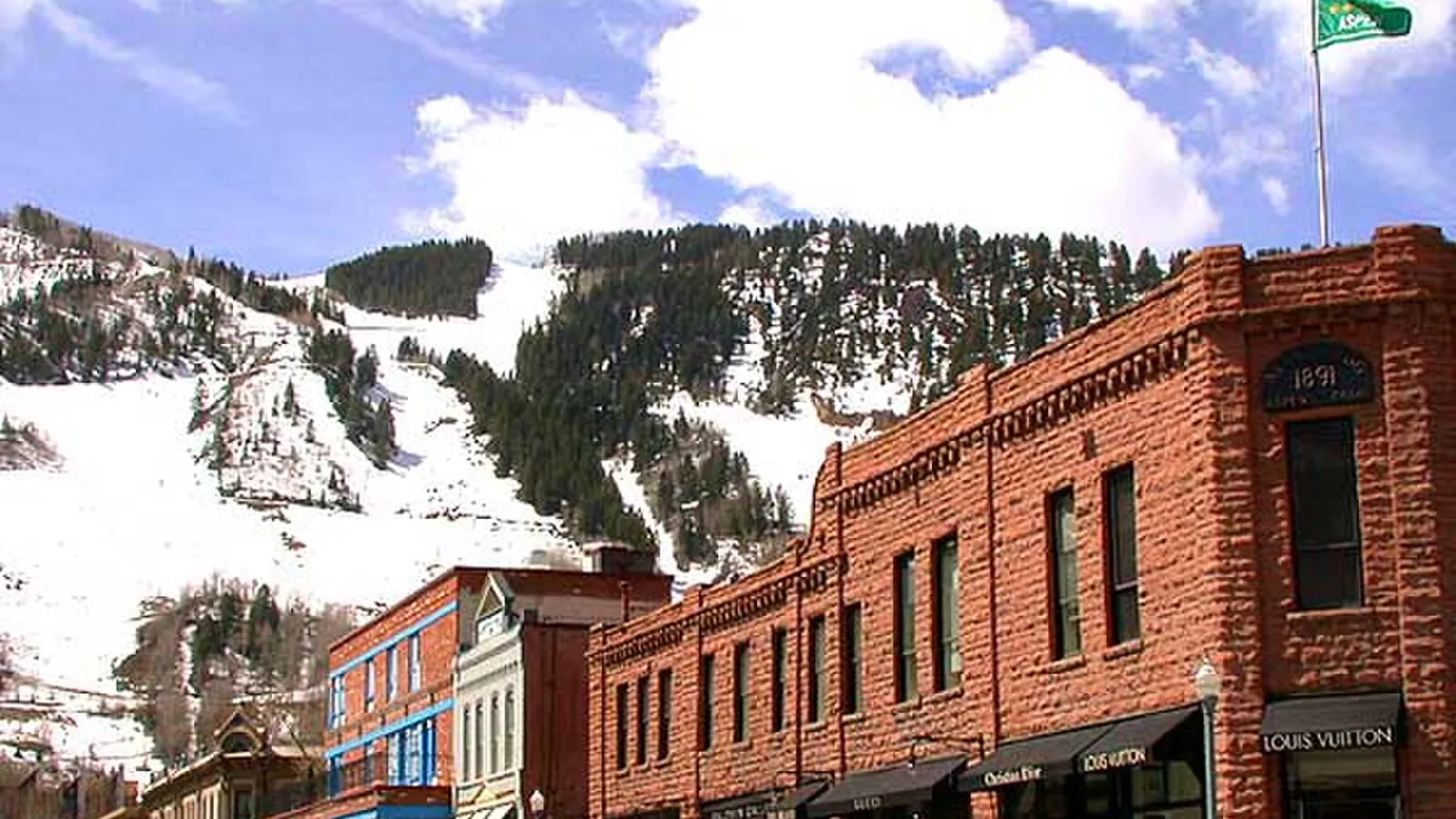
Aspen began as a silver camp in 1879. Jerome B. Wheeler built the Hotel Jerome and the Wheeler Opera House in the 1880s, and both still stand. After the silver crash, Walter Paepcke arrived in 1945 and created the Aspen Institute and the Aspen Music Festival. The year-round population is 7,400, and it pushes past 25,000 at peak. Vail has no mining past. It was built to ski, and the first lift ran on December 15, 1962. Its village was modeled on Bavarian ski towns, is pedestrian-only and keeps its parking structures out of sight. Vail has roughly 5,500 year-round residents and swells to 35,000 on a busy ski day. Read more in our Aspen guide and our Vail guide.
Skiing and the mountains
Aspen gives you four mountains to choose from: Aspen Mountain, Aspen Highlands, Buttermilk and Snowmass. The free bus to Snowmass takes about 20 minutes, and the Aspen guide says Snowmass has better intermediate terrain than Aspen Mountain and shorter lift lines. The mountain averages 300 inches of snow a year, mostly January through March. At Vail, the back bowls are the reason to come. They top out at 11,570 feet on Wildcat Ridge, and Blue Sky Basin tops out around 11,250 feet. A good snow year sees the back bowls open by December 10. On a powder morning, the Vail guide suggests the Eagle Bahn Gondola in Lionshead for a shorter line. For more mountains to compare, see the best ski towns in Colorado.
Summer and the outdoors
Aspen's summer is a big part of its appeal. The Maroon Bells are the main draw, and in season you need a reservation to get there. Independence Pass, the gondola and the free Aspen Art Museum fill out a trip. Smuggler Mountain Road gains 1,000 feet in two miles and ends at a viewing platform over the valley. In Vail, you can hike from East Vail, take the Eagle Bahn Gondola up to Epic Discovery, or catch a concert at the Ford Amphitheater. Summer runs from mid-June through early October, July is peak season, and warm days sit in the 70s. Some Vail trailheads have no parking, so check before you drive. See the full lists of things to do in Aspen and things to do in Vail.
Food and drink
Both towns have a Matsuhisa. Aspen's opened in 1998 in a Main Street Victorian and was the first outside Chef Nobu's original Beverly Hills restaurant. Vail's has been open since 2011 at the Solaris development. Aspen also has Bosq, which says it earned the town's first Michelin star, with a five-course tasting at $215. Paradise Bakery has baked cookies from scratch since 1976, and the White House Tavern serves sandwiches in a building from 1883. Vail's fine dining runs deep too. Sweet Basil has anchored Vail Village since 1977, and La Tour serves classic French cooking. The Red Lion opened in February 1963 and is an apres-ski staple. For a cheaper bite, Vendetta's sells a cheese slice for $4. Many restaurants in both towns close between seasons, so check before you go.
Where to stay
Aspen is small enough to walk. Stay at the base of Aspen Mountain to be close to the gondola, downtown for the restaurants and history, or in the West End for quiet and the summer music festival. Short-term rental rules are strict, and the town caps licenses. In Vail, Vail Village and Lionshead are the two main bases, and both put you near a gondola. Hotels farther out on the Frontage Road and in West Vail trade the village scene for easier driving, and the free town bus connects them. Compare options in where to stay in Aspen and where to stay in Vail, browse ski-in ski-out hotels, or see our full guide to where to stay in Colorado.
Getting there and getting around
Aspen is 200 miles west of Denver, about four hours in good conditions via I-70 to Glenwood Springs, then Highway 82 south. Independence Pass is open only from Memorial Day weekend through mid-October and tops out at 12,095 feet. Pitkin County Airport is four miles from downtown, but it is set to close from April 4 to November 19, 2027. Once there, the RFTA bus is free within Aspen. Vail is 100 miles west of Denver on I-70, about two hours without traffic, though ski-season weekend traffic can stretch it to four hours or more. Eagle County Regional Airport is 35 miles west, with shuttles for about $50 each way. Free buses link Vail Village, Lionshead and the outlying neighborhoods. For more road trip ideas, see our Colorado drives.
When to go
For Aspen skiing, January and February are reliable, and the first two weeks of March are the sweet spot, with deep snowpack and longer days. The last two weeks of September bring gold aspens and empty trails. The X Games run the last weekend of January, and the Aspen Music Festival runs late June through late August. Avoid mud season in April and early May. In Vail, late January through February brings the most reliable storm cycles, and the first two weeks of December offer shorter lines before holiday rates. Avoid Presidents Day weekend. Both guides warn about the week between Christmas and New Year, when prices and crowds peak. Late April through early June is Vail's mud season. Check our Colorado events calendar before you book.
Which one to pick
Pick Aspen if you want variety on the snow, with four mountains and a free bus to Snowmass, and a town with history and culture to fill the evenings. It is the better fit if summer festivals or the Maroon Bells are on your list, and if you do not mind a four-hour drive or a flight. Pick Vail if the back bowls are your goal and you want a shorter trip from Denver, at about two hours without traffic. Its pedestrian-only village and free buses make a car optional. Both towns reward planning around their busy holiday weeks. For more ideas around the state, see things to do in Colorado.