How to get the Denver Zoo map
The zoo's Hours + Admission page has two download links: one for an English map and one for a Spanish map. The zoo also offers a free app for Apple and Android phones, which it describes as a guide to the zoo's 80 acres with maps, animal talks and experiences. The zoo's FAQ points guests to its digital map or the app to find restrooms. Two special maps exist as well. The Accessibility page links to a Sensory Guide, a map that shows noise levels, visual stimulation and tactile components across the zoo. During Zoo Lights, the zoo offers a separate Zoo Lights event map and storybook. Download the map you need before you arrive, since you will want it at the gate.
Denver Zoo habitats and zones
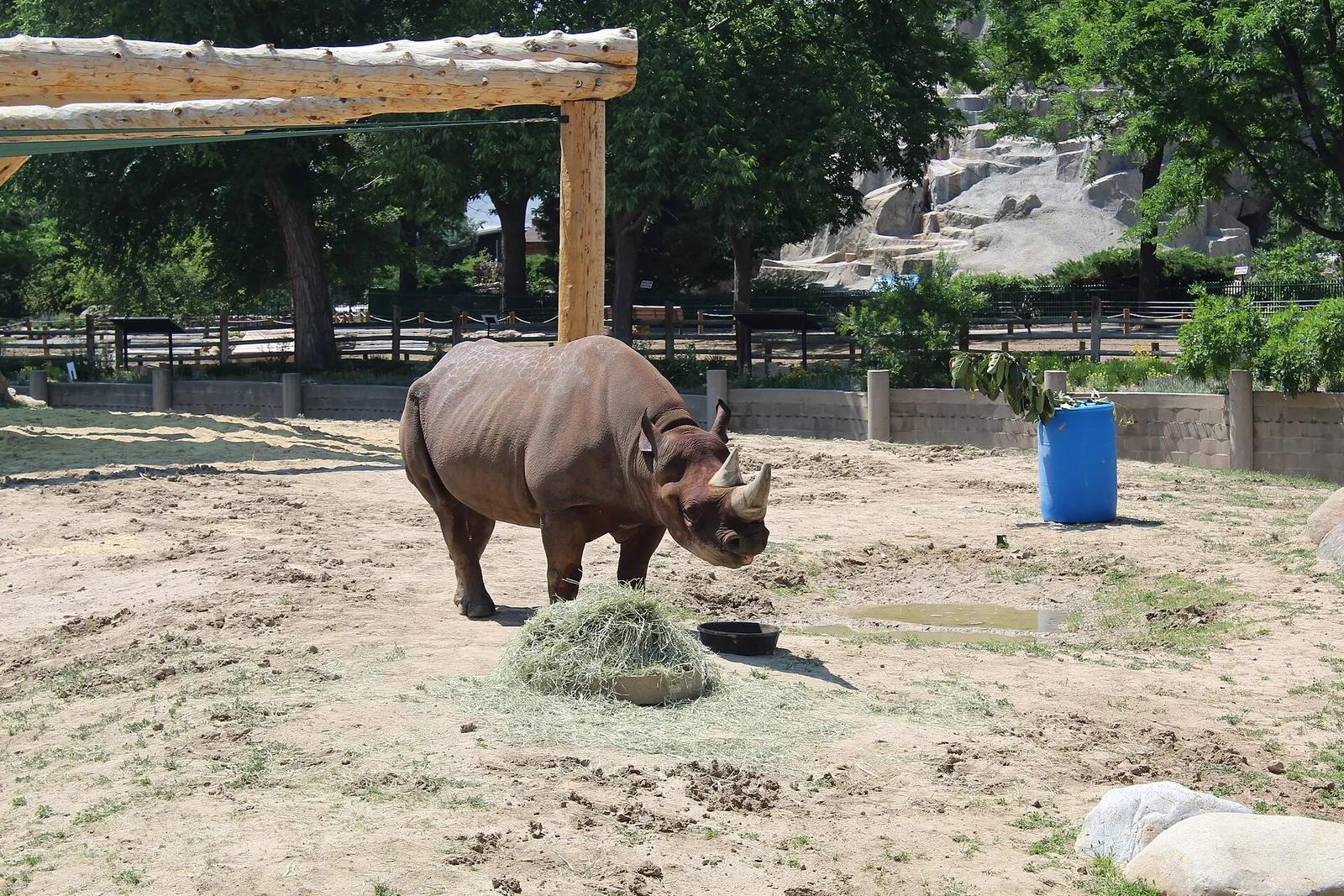
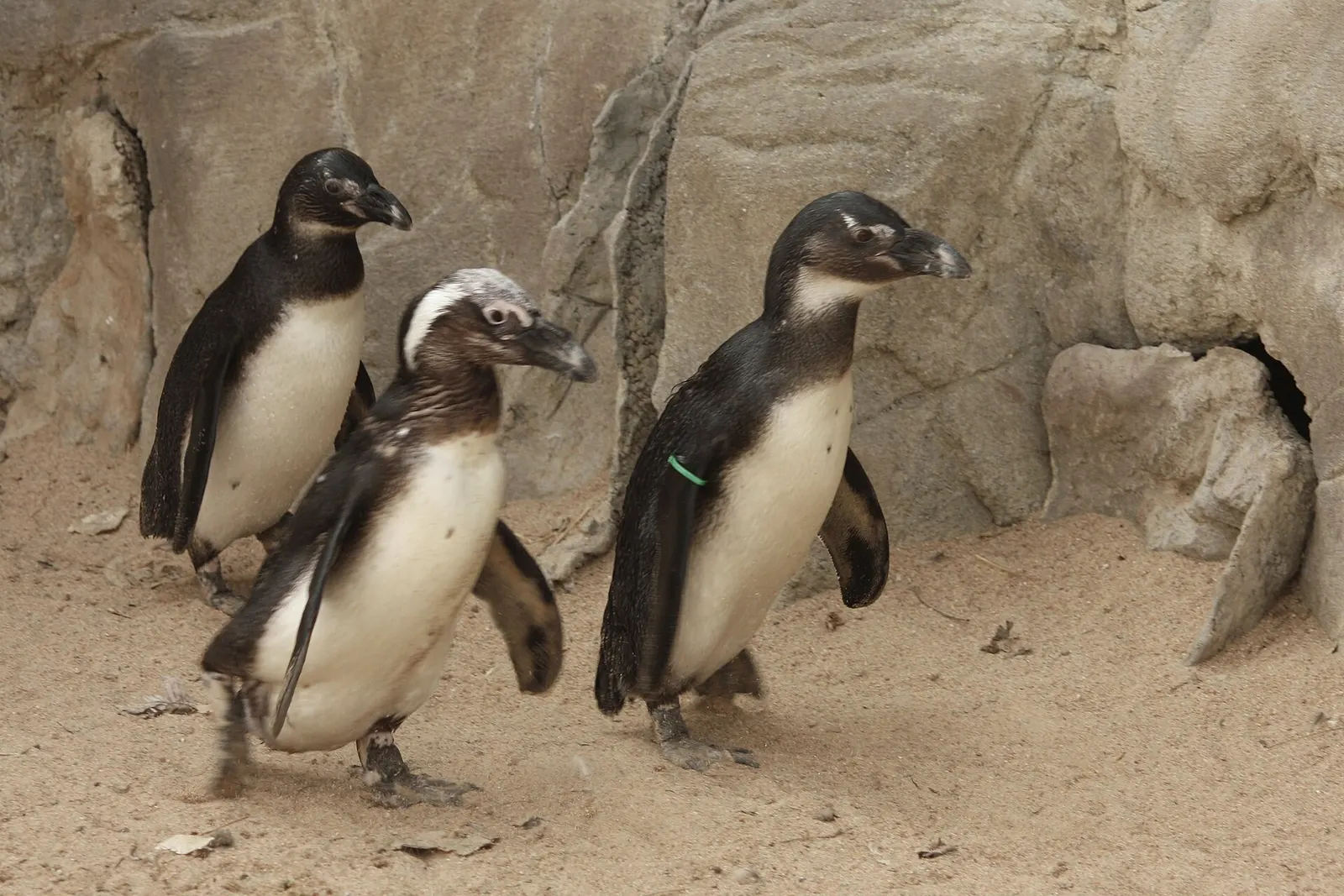
The zoo's Things to Do page lists 14 habitats. They are African Penguin Point, Down Under, Emerald Forest, Flamingo Habitat, Harmony Hill, the Helen and Arthur E. Johnson Animal Hospital, Lembke Family Preserve, Pachyderms, Predator Ridge, Primate Panorama, Sea Lions, The EDGE, Toyota Elephant Passage and Tropical Discovery. The new California sea lion habitat replaces the zoo's 1987 sea lion home. The EDGE is the tiger habitat. Down Under is home to Huon tree kangaroos. The zoo's Animals page lets you browse species by class of animal and world location, with each animal on its own page. Use the downloadable map to see where each habitat sits before you plan a route.
The largest habitats
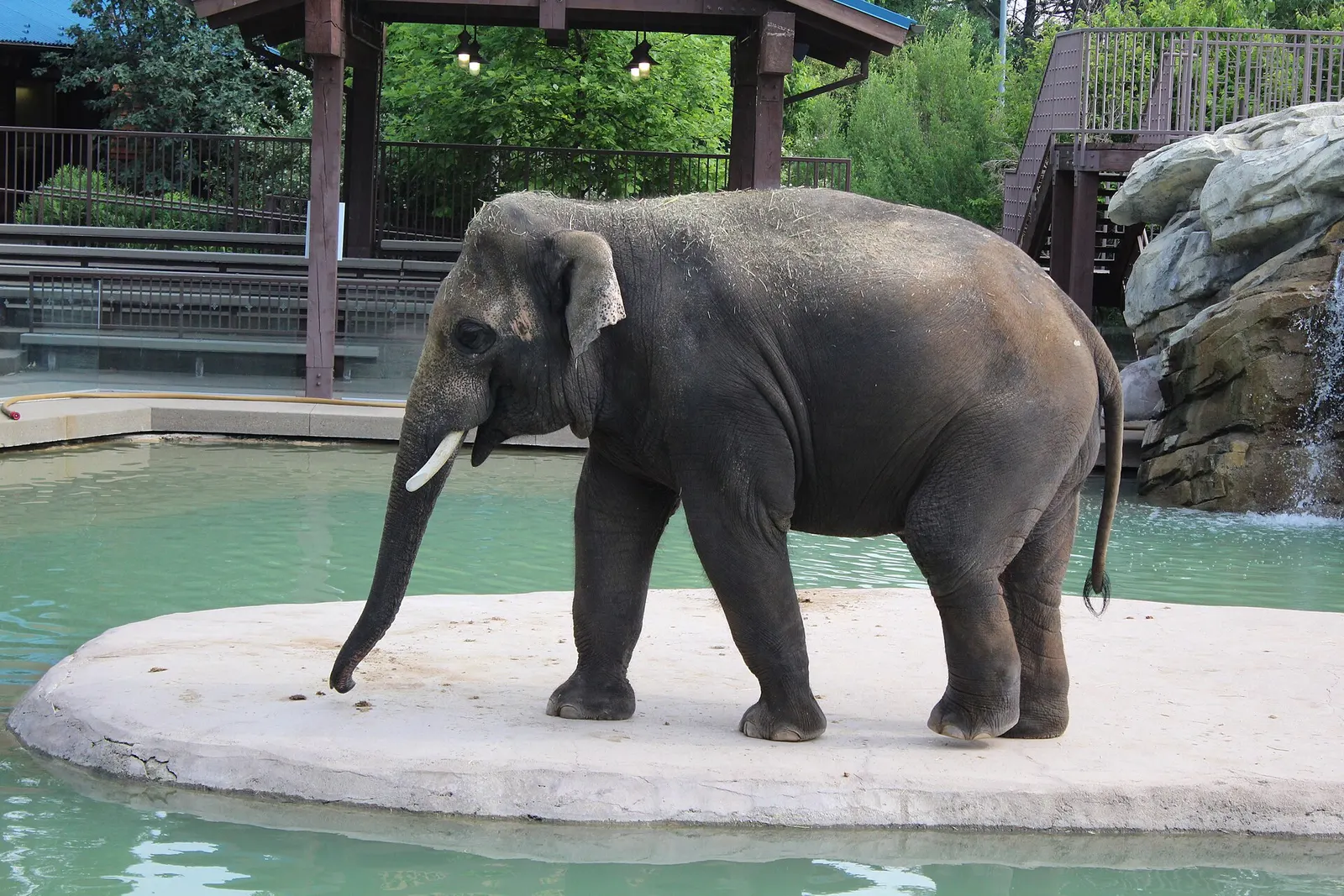
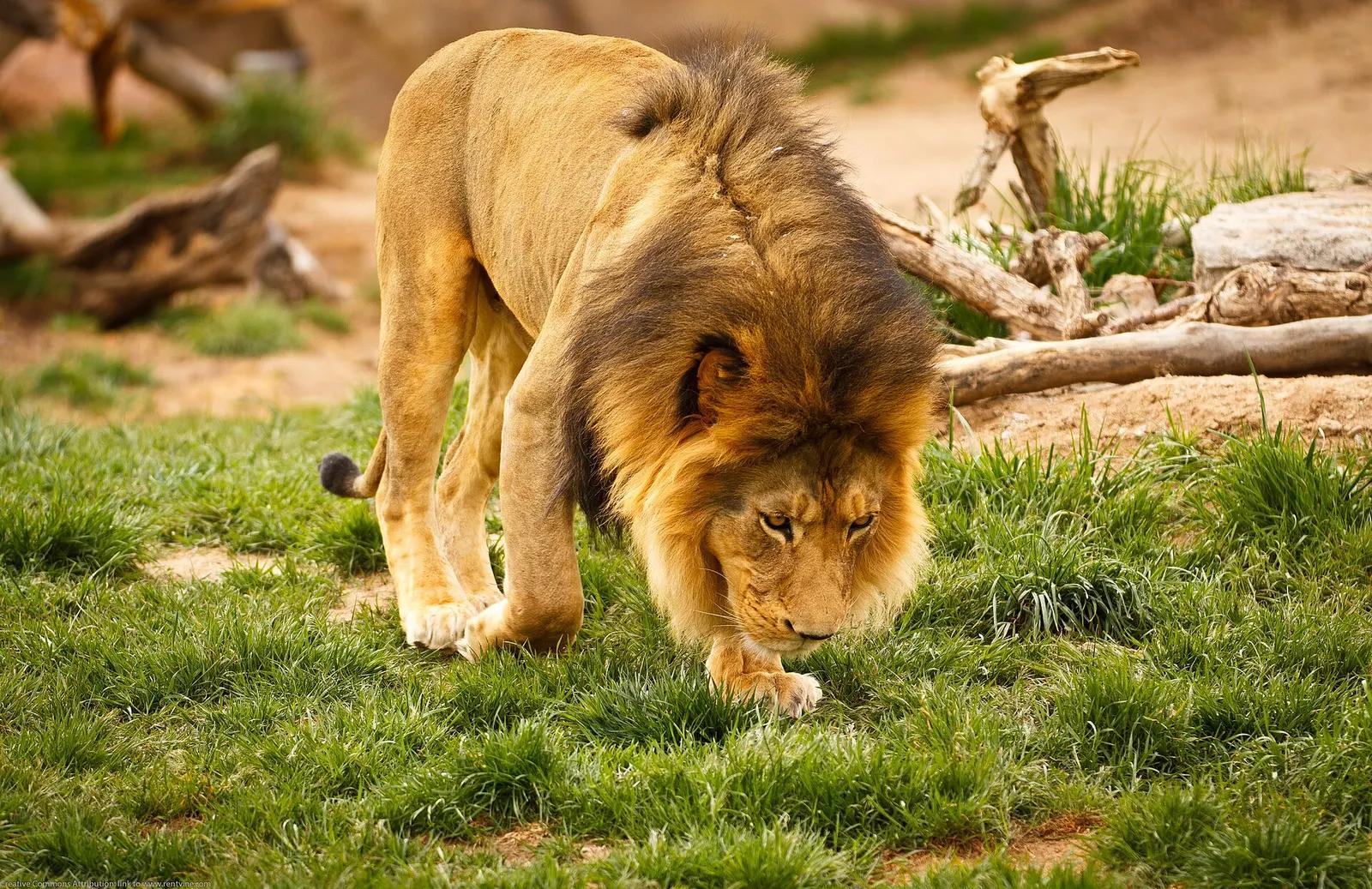
Several habitats take up a lot of ground, so it helps to plan time for them. Toyota Elephant Passage has two miles of connected trails on 10 acres, shared by Asian elephants, greater one-horned rhinos and Malayan tapirs. Primate Panorama covers seven acres of forested land with several species of ape, monkey and lemur, including western lowland gorillas and Sumatran orangutans. Predator Ridge spans nearly five acres modeled on the African savanna and is home to African lions and spotted hyenas. Its indoor viewing area is Pahali ya Simba. Tropical Discovery has nearly 300 species and nearly 1,800 individual animals, including a bat cave, reef fish, snakes, Komodo dragons and a sloth habitat.
Where can you feed the animals?
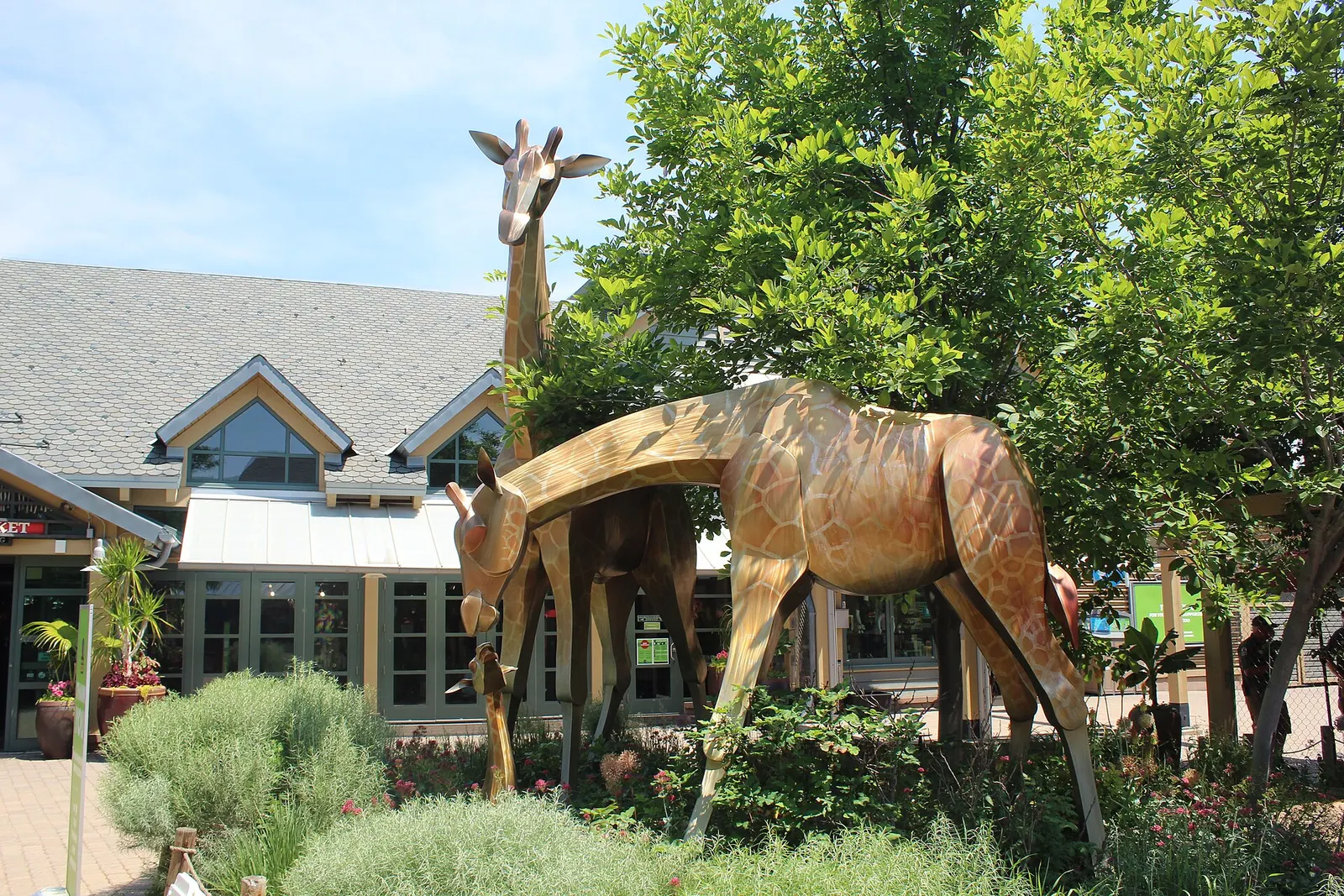
Feeding, chasing or teasing the animals is not allowed anywhere on the grounds, including the free-roaming animals. The zoo points guests who want to feed an animal to two places: Lorikeet Adventure and Stingray Cove. Both offer specially made food for purchase on site. Both are open seasonally and depend on the weather, so they may be closed in winter or on a bad weather day. Lorikeet Adventure and Stingray Cove are both wheelchair accessible, according to the zoo. A separate Giraffe Encounter offers a hand-feeding experience with the giraffes; check the zoo's Things to Do page for how it works and when it runs.
Restrooms, quiet spots and service-animal areas
Restrooms are at the Main Entrance, Gates Center, Primate Panorama, Tropical Discovery, Giraffes and near the McGrath Family Amphitheater by Kamala Café. Family restrooms are at the Main Entrance and near Kamala Café in Toyota Elephant Passage. The Wellness Room near the Primate Panorama restrooms is a quiet space, and the zoo also names Woodland Garden by Carousel Meadows and the bench by the Duck Lake viewing area as quieter spots. Service animals are allowed, but not in certain areas, including inside the Giraffe Building, on the Giraffe Encounter deck, around The Edge tiger habitat, and inside the Lorikeet Adventure structure. The zoo's Accessibility page has a Service Animal Map.
Timing your route
The zoo says many visitors spend one to three hours. It suggests arriving when gates open or in the early afternoon, since mid-morning to noon is often the busiest time. Animals may stay in the shade or behind the scenes when it is hot. The zoo closes one hour and 45 minutes after the last ticket entry time. Daily animal demonstrations are listed on the zoo's Daily Schedule page, so check it on the day and fit the talks into your route. The zoo also suggests checking the local weather and bringing an extra layer, and good walking shoes help on a campus this size. Benches along the paths give places to rest.
Planning a visit to Denver Zoo
Our Denver Zoo guide covers the basics in one place, and our Denver guide covers where to stay and eat nearby.
Map and animals facts and sources
- Map: The Hours + Admission page links to a downloadable English map and a Spanish map. Source, checked November 25, 2026
- Map: The free zoo app includes maps and covers the zoo's 80 acres. Source, checked November 25, 2026
- Map: The zoo offers a digital map and its app for finding restrooms. Source, checked November 25, 2026
- Map: The zoo says it cares for more than 2,500 animals. Source, checked November 25, 2026
- Trails: Toyota Elephant Passage has two miles of connected trails on 10 acres. Source, checked November 25, 2026
- Map: Primate Panorama covers seven acres with several species of ape, monkey and lemur. Source, checked November 25, 2026
- Map: Predator Ridge spans nearly five acres modeled on the African savanna. Source, checked November 25, 2026
- Map: Tropical Discovery holds nearly 300 species and nearly 1,800 individual animals. Source, checked November 25, 2026
- Map: The zoo's Things to Do page lists its habitats, including a new California sea lion habitat. Source, checked November 25, 2026
- Accessibility: Restrooms are at the Main Entrance, Gates Center, Primate Panorama, Tropical Discovery and Giraffes, among other spots. Source, checked November 25, 2026
- Accessibility: The zoo's Sensory Guide is a map showing noise levels, visual stimulation and tactile components. Source, checked November 25, 2026
- Rules: Service animals are not allowed inside the Giraffe Building, on the Giraffe Encounter deck or around The Edge tiger habitat. Source, checked November 25, 2026
- Rules: Guests can feed animals only at Lorikeet Adventure and Stingray Cove, which open seasonally and depend on weather. Source, checked November 25, 2026
- Hours: The zoo suggests arriving when gates open or in the early afternoon, since mid-morning to noon is often busiest. Source, checked November 25, 2026