
The feel of each town
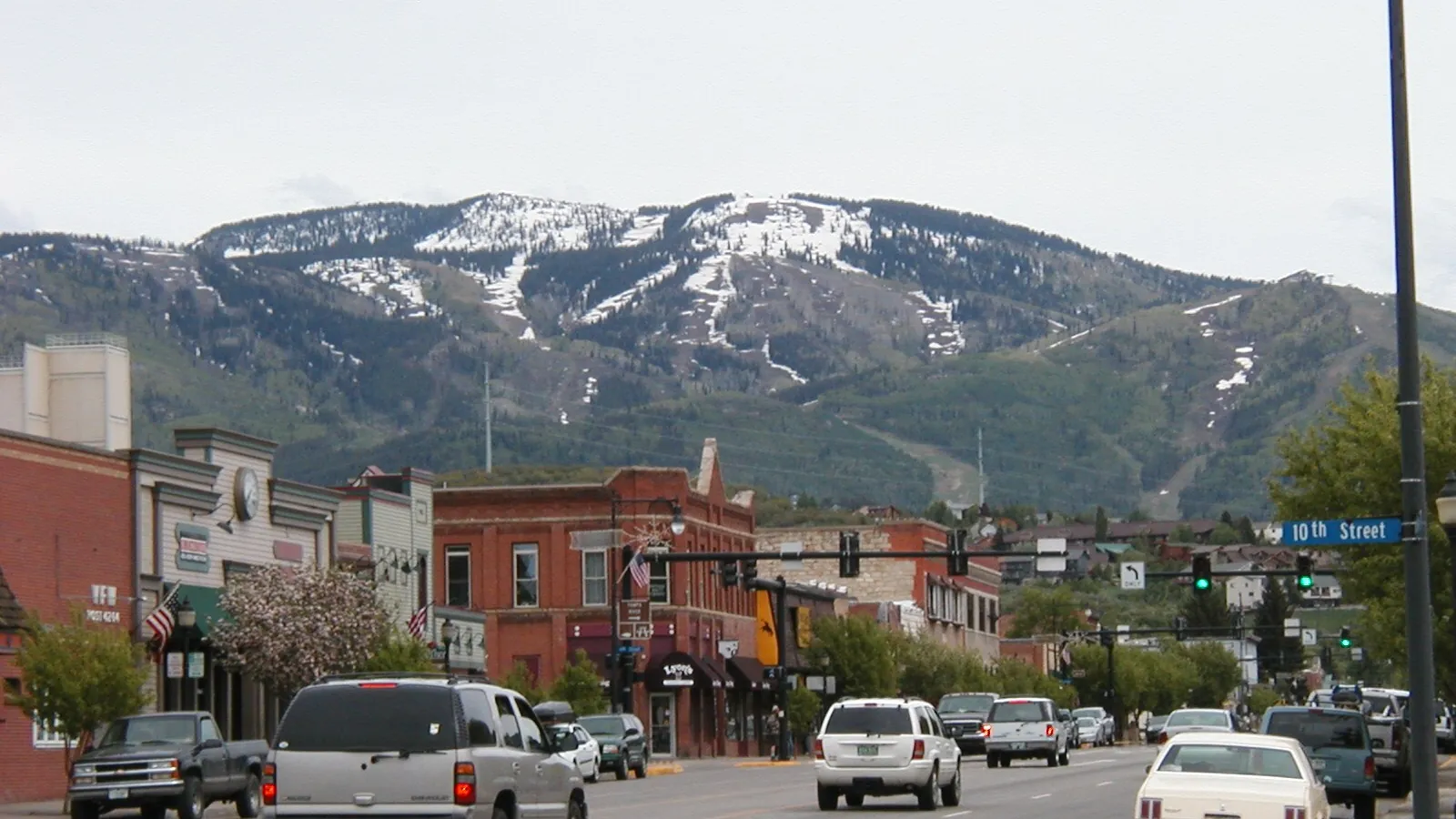
Steamboat is a working ranch town with a ski resort attached. Ranchers still buy salt blocks at the feed store on Lincoln Avenue, and the cowboys at the Friday night rodeo may have spent the afternoon moving cattle. French trappers named the town in the 1860s after a chugging mineral spring on the Yampa River. Old Town runs seven blocks along Lincoln Avenue, and the mountain base sits three miles south. Winter Park began as a business plan. On April 20, 1932, Doc and Helen Graves built 10 small tourist cabins and called the place Hideaway Park, and the village took the name Winter Park in 1978. Its downtown runs along US Highway 40 rather than around a historic square, and its guide says not to come looking for Victorian brick. Read more in our Steamboat Springs guide and our Winter Park guide.
Skiing and the mountains
Steamboat is known for Champagne Powder, light and dry snow that averages over 325 inches a year. The ski area rises to 10,568 feet, and the season runs late November through mid-April. Howelsen Hill, the city-run hill across the river from downtown, has operated since 1915, and Steamboat has produced more Winter Olympians than any other town in North America. Winter Park has run since January 28, 1940, and calls itself Colorado's longest continually operated ski resort. It has 3,081 skiable acres and 23 lifts, a 9,000 foot base and a 12,060 foot summit, and it reports more than 344 inches of snow in an average year. Just 8 percent of the terrain is rated beginner. Mary Jane, known for bumps and trees, has its own base and a shorter season. See the best ski towns in Colorado.
Summer and the outdoors
Summer in Steamboat peaks in July and August. The Yampa is running, wildflowers are out in the Zirkel and on the Flat Tops, and the Pro Rodeo Series runs Friday and Saturday nights. The Strings Music Festival brings classical and chamber music through July. The hot springs, the Yampa River Core Trail and Fish Creek Falls are easy wins, and Old Town Hot Springs has a 103 degree mineral pool. In Winter Park, Trestle Bike Park runs more than 40 miles of lift-serviced downhill trails, and the resort counts over 600 miles of trails across the Winter Park and Fraser area. Events and live music fill Hideaway Park downtown, with summer days in the 60s and 70s. Rollins Pass climbs to the Continental Divide but needs a high clearance, four-wheel-drive vehicle. See things to do in Steamboat Springs and things to do in Winter Park.
Food and drink
Cafe Diva has served fine dining in Steamboat since December 1998, with a seasonal menu that lists a beef tenderloin at $65 and a cellar of more than 300 wine selections. The Laundry Restaurant sits in the historic Soda Creek building, which housed the Steamboat Laundry from 1910 to 1977, and serves shared plates and smoked foods. Winona's is known for giant cinnamon rolls, and Aurum has a riverfront patio. In Winter Park, Tabernash Tavern, north of town, is the fine dining choice in the valley, with an 8 oz filet mignon at $60. Deno Kutrumbos bought Deno's Mountain Bistro in 1976, Hernando's Pizza Pub has made pizza since 1967, and Rudi's Deli is the cheap, fast lunch. Steamboat restaurants reduce hours in mud season, and some Winter Park restaurants add charges to the bill, so ask before you tip.
Where to stay
In Steamboat, most visitors stay at the mountain base, near the gondola and shuttle stops, or downtown on Lincoln Avenue near Howelsen Hill and Old Town Hot Springs. The base is the resort zone of condos and hotels, and Old Town holds most of the restaurants and bars. The guide suggests splitting the trip, with dinners downtown and skiing from the base. In Winter Park, slopeside condos sit at the resort base, while downtown hotels and small lodges put you near restaurants and on the free bus. Ranches up the valley trade convenience for space and activities on site. In both towns, the base and downtown are about three miles apart, so choose with that in mind. Compare where to stay in Steamboat Springs, where to stay in Winter Park and our guide to where to stay in Colorado.
Getting there and getting around
Steamboat Springs is 160 miles northwest of Denver, about three hours and fifteen minutes via I-70 to Silverthorne, Highway 9 to Kremmling and Highway 40 over Rabbit Ears Pass at 9,426 feet. In serious storms, the pass closes. Yampa Valley Regional Airport in Hayden is 22 miles west, about 30 minutes from town. The resort lists Winter Park as a 75-mile drive from the Denver metro area via I-70 and US Highway 40, crossing Berthoud Pass at 11,307 feet. In ski season, the Winter Park Express train runs from Denver Union Station to the base, with fares starting at $19. Once there, Steamboat's free transit bus runs every 15 to 20 minutes in ski season, and Winter Park's free bus, The Lift, serves Winter Park, Fraser and Granby. For more road trips, see our Colorado drives.
When to go
Steamboat's deepest storm cycles tend to hit in late January and early February. The Winter Carnival, held the second weekend of February and running since 1914, brings skijoring down Lincoln Avenue. July brings the river, the wildflowers and the rodeo every weekend, and the aspens start turning in the last week of September. Skip the March spring break weeks and the late April to early May mud season. In Winter Park, winter is the main event. Last season, the Winter Park side ran from October 31, 2025 to April 19, 2026, while Mary Jane ran from January 9 to March 28, 2026. The Torchlight Parade is on December 24, 2026, and summer 2026 at the resort ran from June 19 to September 27. Fall is quieter there. Check our Colorado events calendar before you book.
Which one to pick
Pick Steamboat Springs if you want a working ranch town, light powder, hot springs and a Western summer of rodeos and rivers. Its town sits lower, at 6,732 feet, and its guide says you sleep better there. Pick Winter Park if a short trip from Denver matters most, or if you want steep terrain, the bumps at Mary Jane, a ski train from Union Station and a big downhill bike park in summer. Winter Park's town sits at 9,000 feet, so take the first day easy. Both towns split into a base area and a downtown about three miles apart, and both run free buses. For more ideas around the state, see things to do in Colorado.