
The feel of each town
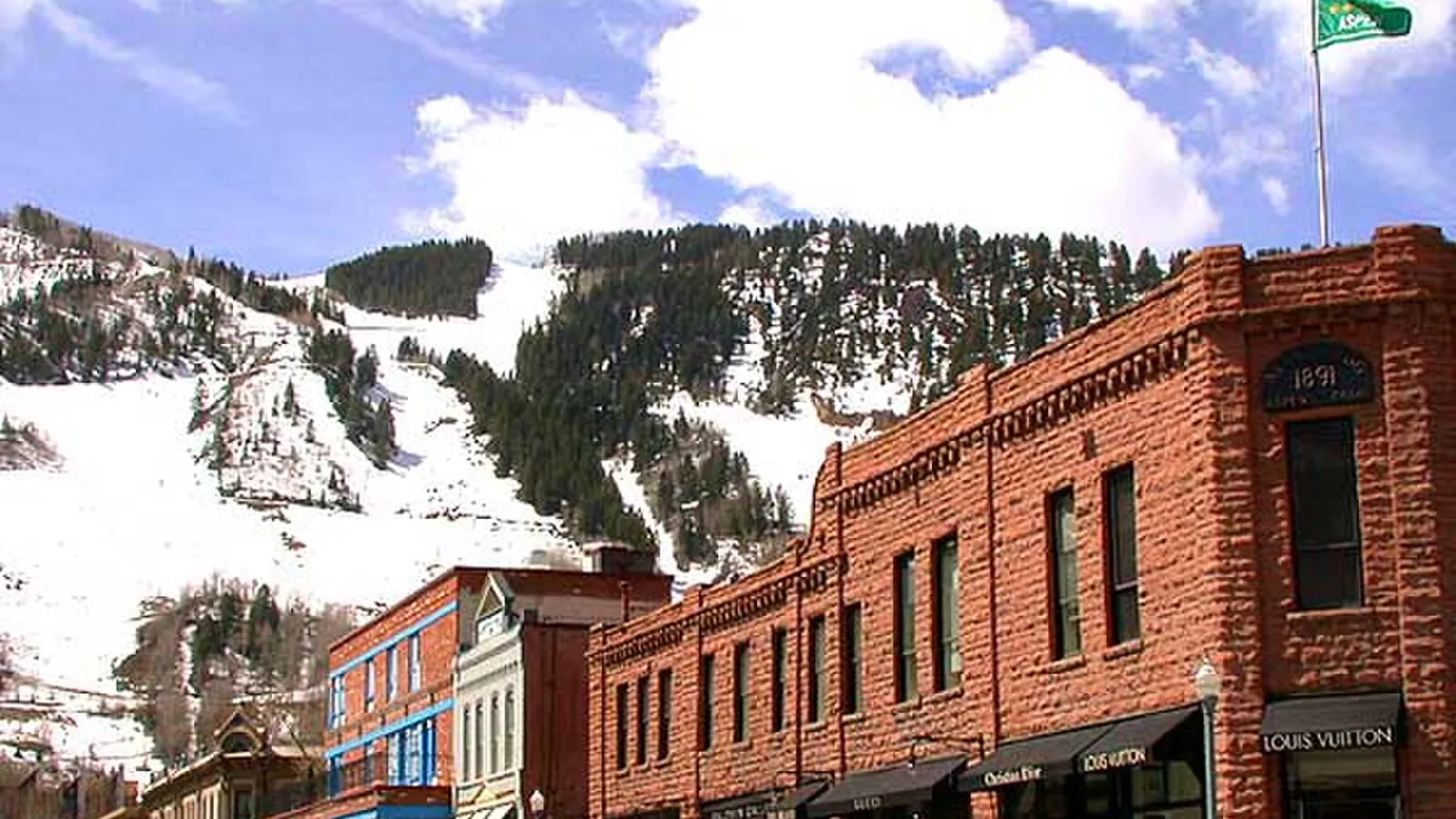
Aspen was a silver camp before anything else. Prospectors crossed Independence Pass in 1879, and the Hotel Jerome and the Wheeler Opera House from the 1880s still stand. Walter Paepcke arrived in 1945 and created the Aspen Institute and the Aspen Music Festival, and the 1950 World Alpine Ski Championships put Aspen on the international map. The year-round population is 7,400, and the wealth is visible. Steamboat Springs is a working ranch town with a ski resort attached. Ranchers buy salt blocks at the feed store on Lincoln Avenue, and the cowboys at the Friday night rodeo are the same ones who spent the afternoon moving cows. Its guide says the money in Steamboat is quieter than in Aspen or Vail, and you can wear your ski jacket to dinner. Read our Aspen guide and our Steamboat Springs guide.
Skiing and the mountains
Both are serious ski towns. Aspen offers four mountains: Aspen Mountain, Aspen Highlands, Buttermilk and Snowmass. The mountain averages 300 inches a year, concentrated January through March, and the free bus to Snowmass takes 20 minutes. Steamboat averages over 325 inches a year, and its guide calls its Champagne Powder some of the lightest, driest powder in Colorado. The ski area rises to 10,568 feet, and the season runs late November through mid-April. Howelsen Hill, across the river from downtown, has operated since 1915, and Steamboat has produced more Winter Olympians than any other town in North America, over 100 at last count. See the best ski towns in Colorado, ski-in ski-out hotels and Steamboat Springs vs Vail.
Summer and the outdoors
Aspen's guide calls summer underrated. Late June through August brings the Aspen Music Festival, warm days, cool nights and wildflowers at higher elevations. The Maroon Bells are the big draw, and in season you need a reservation to get there. Independence Pass, open Memorial Day weekend through mid-October, crosses the Continental Divide at 12,095 feet. In Steamboat, summer peaks in July and August. The Yampa is running, wildflowers are out in the Zirkel and on the Flat Tops, and the Pro Rodeo Series runs Friday and Saturday nights. The Strings Music Festival runs through July, and the Yampa River Core Trail and Fish Creek Falls are easy wins. See things to do in Aspen and things to do in Steamboat Springs.
Food and drink
Aspen has the longer restaurant list. Matsuhisa opened in 1998 in a Main Street Victorian, and its eight-course omakase is $195 per person. Bosq says it earned Aspen's first Michelin star, with a five-course tasting at $215. Cache Cache has been in town since 1987, and Pine Creek Cookhouse sits at 9,750 feet, reached in winter by ski, snowshoe or sleigh. Many Aspen restaurants close between seasons. In Steamboat, Cafe Diva has served fine dining since December 1998, and its cellar holds more than 300 wine selections. The Laundry serves shared plates in a building that housed the Steamboat Laundry from 1910 to 1977, Aurum has a riverfront patio, and Winona's is known for giant cinnamon rolls. Most of Steamboat's restaurants and bars are in Old Town, along Lincoln Avenue.
Where to stay
Aspen is small enough to walk. Stay at the base of Aspen Mountain to be close to the gondola, downtown for the restaurants and history, or in the West End for quiet and the summer music festival. The holiday window between December 23 and January 2 is the most expensive and crowded time. In Steamboat, most visitors stay at the mountain base, close to the gondola and shuttle stops, or downtown on Lincoln Avenue near Howelsen Hill and Old Town Hot Springs. The base sits three miles south of Old Town, and the guide suggests splitting your time, with dinners downtown and skiing from the base. Compare where to stay in Aspen, where to stay in Steamboat Springs, hot springs hotels and our guide to where to stay in Colorado.
Getting there and getting around
Aspen is 200 miles west of Denver, about four hours in good conditions via I-70 to Glenwood Springs, then Highway 82 south. Pitkin County Airport sits four miles from downtown, with direct flights in ski season, and the RFTA bus system is free within town. Garages in the core run $15 to $30 per day. Steamboat Springs is 160 miles northwest of Denver, about three hours and fifteen minutes via I-70 west to Silverthorne, Highway 9 north to Kremmling and Highway 40 over Rabbit Ears Pass, at 9,426 feet. In winter, check CDOT and carry chains or good snow tires. Yampa Valley Regional Airport is 22 miles west in Hayden, about 30 minutes from town. The free Steamboat Springs Transit bus runs every 15 to 20 minutes in ski season. See our Colorado winter road trips and our Colorado drives.
When to go
Aspen's guide points to January and February for skiing and to the first two weeks of March as a sweet spot. The best time overall is the last two weeks of September, when aspens peak between September 20 and October 5 in a typical year. The X Games run the last weekend of January. Steamboat's guide points to late January through mid-February for the deepest snow, July for the river and the rodeo, and September for warm days and aspen color building into the first week of October. The Winter Carnival, the second weekend of February, has run since 1914. Both guides say to skip mud season in spring, and Steamboat's says to avoid the March spring break weeks. Check our Colorado events calendar and our guide to Colorado hot springs in winter.
Which one to pick
Pick Aspen if you want four ski mountains, a long list of restaurants and summer festivals such as the Aspen Music Festival. It sits at 7,908 feet, and its guide says the town rewards slow travel. Pick Steamboat Springs if you want light, dry powder in a working ranch town, with two hot springs, a Friday night rodeo in summer and, in its guide's words, quieter money. It sits lower, at 6,732 feet, and it is the shorter drive, at 160 miles from Denver. Both towns have free buses, so you can skip the car once you arrive. For more ideas, see things to do in Colorado, Aspen vs Vail and Breckenridge vs Steamboat Springs.